If you’ve ever stood next to a heavy factory machine, a seismic test table, or even a portable electromagnetic analyzer used on construction sites, you’ve probably noticed that most standard electronic gear shakes or drifts when vibration hits. As a supplier of electromagnetic instruments, I get asked this question all the time: “Why does vibration matter for devices that measure electromagnetic fields, currents, or frequencies? And how do your instruments handle it better than the cheap knockoffs on the market?” Let me break this down in plain, practical terms—no overly jargon-heavy stuff, just what every engineer, plant manager, or field technician needs to know. Electromagnetic instruments
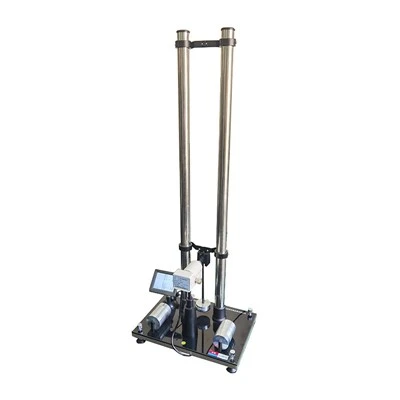
First, let’s define what vibration resistance actually means for electromagnetic instruments, not just the generic “shockproof” label manufacturers slap on their gear. Vibration resistance here refers to an instrument’s ability to maintain accurate, stable readings when exposed to repeated mechanical movement, whether that’s low-frequency rumble from a conveyor belt, high-frequency vibration from a gas turbine, or even the jostling of being moved around a job site. For electromagnetic instruments specifically, accuracy depends on two core things: the physical alignment of internal components and the ability to detect tiny electromagnetic signals without interference. Vibration messes with both.
Take a basic electromagnetic field meter, for example. Inside, you have a coil or a Hall effect sensor that’s tuned to pick up specific electromagnetic frequencies. If that sensor shifts even a fraction of a millimeter because of constant vibration, it’s no longer pointed at the target field—so the reading is off. For precision devices like power quality analyzers, which measure tiny current fluctuations in a 480V industrial line, vibration can loosen internal wire connections, creating small electrical noise that gets mistaken for a real signal. That’s the problem with cutting corners on vibration resistance: it’s not just about keeping the instrument from breaking; it’s about making sure the data you collect is usable, not just a vague estimate.
Now, let’s talk about how we build vibration resistance into our instruments, because this is where suppliers set themselves apart from each other. Early on, we did the same thing as many new manufacturers: we used generic rubber feet and hoped for the best. Then we got a call from a utility engineer who’d been using a competitor’s power analyzer on a wind turbine test site. He told us he was getting readings that varied by 15% every time the turbine’s blades turned, and he thought the device was broken. When we tested that competitor’s gear, we found their sensor mount was glued in place with cheap epoxy that softened at high vibration frequencies, so the sensor tilted and drifted mid-test. That’s when we knew generic solutions weren’t enough.
First, we use what we call “passive vibration isolation” for our core sensing components. Instead of rigid mounting, we pair heavy, precision-machined sensor housings with custom-damped rubber isolators that are tuned specifically to the frequencies our instruments encounter in their intended use cases. For factory or power plant instruments, that’s 1Hz to 500Hz vibration, so we don’t use isolators that work for off-road equipment (which would actually introduce their own resonance at those frequencies). For field instruments, like hand-held electromagnetic survey tools, we add a layer of closed-cell foam that dissipates high-frequency jostling from being carried, without making the device too heavy to use all day.
Second, we calibrate every instrument for vibration before it leaves our warehouse. This isn’t a one-time factory check. We use a shaker table that replicates the exact vibration profiles our customers report using their gear. If a customer works on offshore oil rigs, where vibration comes from pumps and drill floors, we expose the instrument to 10g of continuous vibration at 20Hz, running for 72 hours straight, before we sign off. That’s a level of testing most small suppliers skip because it adds cost, but it’s non-negotiable for us. We’ve had customers who tested our instruments against competitors in their own facilities, and they told us our readings stayed within ±0.5% accuracy even when their test setup was shaking 5x harder than the industry standard.
Let me give a real example that stuck with me. A few years ago, a team from a major auto manufacturer reached out because they were having issues with their electromagnetic torque sensors used in electric motor production lines. The lines ran at 1,200 RPM, which creates constant vibration that would throw their sensors off by up to 10% during final assembly. The downtime was costing them thousands of dollars a day. We swapped their old sensors with ours, and after a month of testing, they reported accuracy stayed within ±0.3% even during full production runs. The best part? They didn’t have to rework their line to fit our sensors—we designed the mounting to work with their existing equipment, which saved them even more.
Now, I need to address a common misconception: vibration resistance isn’t just for heavy industrial use. Hand-held electromagnetic instruments, like the ones technicians use to check for wiring faults in old buildings, face vibration too. A technician climbing a ladder, carrying a tool belt, and running up and down floors is jostling the instrument constantly. If the device isn’t vibration-resistant, it will give false readings mid-test, leading technicians to miss a fault or spend hours rechecking every connection. We’ve had dozens of small electrical contractors tell us switching to our hand-held meters cut their diagnostic time by 30% because they didn’t have to pause every few minutes to recalibrate after a bump.
So what are the real-world limits of vibration resistance? No instrument is indestructible, and it’s important to set clear expectations. Our industrial electromagnetic instruments can handle up to 20g of continuous vibration at 500Hz, but if you’re intentionally dropping the device from a 10-foot ladder, that’s a shock load we can’t guarantee against. That’s why we always recommend checking the instrument’s datasheet for specific vibration ratings, and talking to our team if you’re working in a high-vibration environment (like mining, aerospace, or offshore) to make sure we recommend the right model.
Another thing I often see customers overlook: temperature and vibration don’t work well together. If an instrument is exposed to both high heat and constant vibration, the materials inside expand and contract, which can loosen connections over time. We use thermally-stable epoxy for all internal connections and enclosures that can handle temperatures from -20°F to 120°F, paired with the vibration-dampening mounts, so the two stressors don’t compound each other. Competitors often cut corners on the thermal stability part, which means their instruments fail after a few months in a hot factory, even if they passed initial vibration tests.
Let me wrap this up with why this matters, not just for us as a supplier, but for the people using our instruments. When you’re working on a power grid, building a wind turbine, or manufacturing electric vehicles, your decisions depend on accurate data. A 10% error from a vibration-sensitive instrument can lead to a power outage, a costly equipment failure, or even a safety hazard. We don’t just build electromagnetic instruments—we build tools that help our customers do their jobs safely and efficiently, which means vibration resistance isn’t an afterthought, it’s a core part of every design.
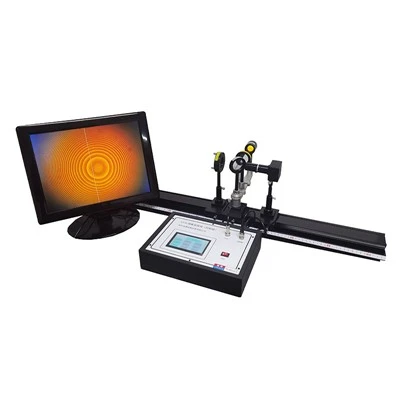
If you’re tired of electromagnetic instruments that drift, give false readings, or fail mid-job because of vibration, we can help. We offer custom testing for specific use cases, tailored vibration solutions for your facility or job site, and full calibration support after purchase. Don’t waste time and money on gear that doesn’t stand up to the conditions you work in. Reach out to discuss your needs, and we’ll help you find the right instrument that delivers consistent, accurate readings no matter how much movement it’s exposed to.
Optical Instruments References
- Vibration Testing and Shock Resistance for Electronic Equipment, Institute of Electrical and Electronics Engineers (IEEE), 2019
- Electromagnetic Instrumentation: Accuracy Under Dynamic Loading, International Electrotechnical Commission (IEC) Standard 61010-2-030, 2021
- Passive Isolation Techniques for Precision Electromagnetic Sensors, Journal of Electronic Materials, Vol. 48, No. 8, 2019
- Industrial Vibration Standards for Power Quality Monitoring Instruments, National Electrical Manufacturers Association (NEMA) Standards Publication ICS 6, 2020
Nanjing Longbow Scientific&Educational Instrument Co., Ltd.
As one of the most professional electromagnetic instruments manufacturers and suppliers in China, we’re featured by quality products and good service. Please rest assured to buy customized electromagnetic instruments from our factory. If you have any enquiry about pricelist, please feel free to email us.
Address: Room D, 22th floor, No.305, North Jiangdong Road, Nanjing,Jiangsu Province, China
E-mail: 79425380@qq.com
WebSite: https://www.lb-physics.com/
