Hey everyone, let’s cut to the chase here – if you’ve ever had a power outage that fried your gaming PC’s hard drive or made your fridge dump a whole batch of leftovers, you’ve probably wondered what the heck stops that from happening all the time. Let me tell you as a circuit breaker supplier who’s been deep in this game for years, those little (and not-so-little) boxes on your electrical panels aren’t just random wall fixtures – they’re the unsung heroes keeping your life, home, and gear from going up in smoke. No boring jargon, just straight talk about what they actually do, why they matter, and why skimping on them is a bad idea. Circuit Breaker
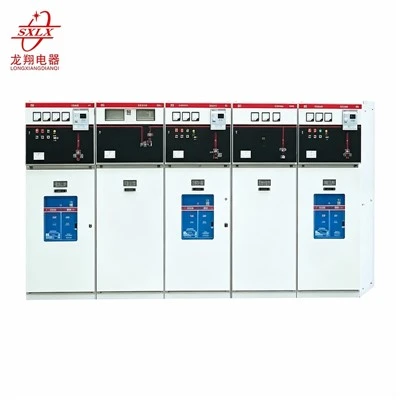
First off, let’s get the basics right because so many folks mix them up with fuses, and that’s a mistake. Old school fuses are like a one-time band-aid – they have a thin metal strip that melts when too much current flows through it, breaking the circuit, and then you have to yank out the dead fuse and put a new one in. A circuit breaker? It’s a reusable switch. That’s the core purpose, but let’s dig into the two big jobs they do that make them non-negotiable for every home, shop, and industrial space.
The first and most obvious job: stopping overloads. Let’s say you’re hosting a watch party, right? You have the big 70-inch TV, the sound system, the air fryer, the instant pot, a space heater by the couch, and the Christmas lights you dragged out early all plugged into the same kitchen outlet (don’t do this, by the way). The electrical wires in your wall are only rated to carry so much current – usually around 15 or 20 amps for regular home circuits. When you pile on all that stuff, the current spikes way higher than that wire can handle. Those wires heat up, and if they get too hot, the insulation around them melts. Then you’ve got exposed wires touching drywall or wood, and hello – house fire. Circuit breakers sense that extra current instantly, flip that switch to cut power, and poof – no fire. And since they reset, you don’t have to go to the store at 2 a.m. to grab fuses after the thing flips; just flip it back on, and you’re good… as long as you fix why it flipped in the first place.
The second job is way more important but less talked about: short circuit protection. Let’s break that down. A short circuit happens when a hot wire (the one that carries power) touches a neutral wire or a ground wire. Neutral is supposed to carry current back to the panel, and ground is for safety, but if those two cross, you get a path for electricity that has almost no resistance – so current surges through way faster than an overload, like, milliseconds fast. That’s even deadlier because it can start a fire before you even notice anything’s wrong. Think of a frayed lamp cord, or a kid shoving a metal fork into an outlet, or a appliance’s wiring going bad. Circuit breakers pick up that super fast surge and cut power immediately, way faster than you could react. That’s why you’ll hear us say “they’re the first line of defense” – not just for your stuff, but for the people in your space too.
Wait, let’s also mention ground fault circuit interrupters (GFCIs) because these are a specific type of breaker you’ll find in bathrooms, kitchens, garages, outdoor outlets, anywhere water and power mix. Those don’t just monitor current flow like standard breakers; they check the balance between the hot and neutral wires. If even a tiny bit of power is leaking to ground – like if you’re using a power washer and it slips, sending current through your body to the ground – GFCIs flip in 1/40 of a second. That’s fast enough to prevent electrocution, which is why building codes mandate them in those areas. I’ve seen too many old homes without GFCIs that had close calls, and trust me, that’s the stuff that makes this job matter beyond just selling parts.
Now, let’s talk about why people mess this up. I get it, a lot of folks think “oh, the breaker flipped, I can just tape it in the on position and it’ll work.” No. That’s the opposite of what you should do. If a breaker is tripping, it’s trying to tell you something is wrong – whether that’s a faulty appliance, a bad wire, or you’re just overloading the circuit. Taping it works around the safety, and that’s how fires start. I’ve had customers come to me after a fire that happened because someone did that, and they had to replace every circuit, every wire, and all their gear. Way more expensive than fixing the actual problem.
Also, not all breakers are created equal. That’s where being a supplier comes in – I don’t just sell you the cheapest thing on the shelf. For industrial spaces, you need breakers that can handle way higher current, like for a factory with big machinery. For a small apartment, you need compact, easy-to-install breakers that fit into tight panels. For EV chargers, you need specialized breakers that can handle the steady, high current chargers require without tripping unnecessarily. Skimping on a cheap off-brand breaker that doesn’t meet safety standards is a bad call, full stop. Those cheap ones might not trip when they’re supposed to, which means they’re useless – even worse than no breaker at all.
Let me give you a real example to drive this home. Last year, a small café in my area had an old fuse panel that wasn’t working right. Their chef plugged a new, bigger commercial deep fryer into the same circuit as their coffee machines and fridge. The old fuse didn’t blow fast enough, the wire overheated, and the insulation caught fire right behind the wall. They lost three months of business, thousands in repairs, and almost their entire inventory. If they’d had modern circuit breakers, the breaker would’ve tripped the second the deep fryer pulled too much current, no fire, no loss. That’s the exact kind of story that makes what we do meaningful.
Another thing a lot of homeowners don’t know: circuit breakers wear out over time. Yeah, they’re sturdy, but they have a lifespan – usually 15 to 20 years. If your home is older than that, it’s worth getting your panel inspected, because old breakers might trip randomly (which is annoying but safer) or not trip when they should (which is dangerous). I see this all the time: people wait until there’s a problem to check their breakers, instead of proactively maintaining them. It’s like waiting for your car’s brakes to fail before getting them checked.
Now, let’s get to the stuff that matters if you actually need these – because if you’re a homeowner, electrician, property manager, or business owner, you don’t just want a random breaker, you want one that works when you need it. We supply all types: standard 15/20 amp for home circuits, GFCIs for wet areas, AFCIs (arc fault circuit interrupters) that detect tiny arcs from frayed wires (another big fire risk we don’t talk enough about), and heavy-duty industrial breakers for shops, factories, and EV charging stations. We work with both residential folks who need a few breakers for their panel and big contractors who need bulk orders for new construction projects. We do custom sizing too, so if you need something specific for a unique space, we can help you out, not just shove a one-size-fits-all thing at you.
At the end of the day, the whole purpose of a circuit breaker is simple: keep power flowing when it’s supposed to, and shut it down the second something goes wrong. They’re not just pieces of plastic and metal – they’re the thing that keeps your home safe, your stuff intact, and your life from getting turned upside down by a preventable problem. Skipping on them, or using the wrong ones, is a risk you never want to take.
If you’re looking for reliable, tested circuit breakers, whether you’re doing a small home upgrade, an industrial project, or anything in between, we’re here to help. No pushy sales stuff, just solid products and answers to all your questions. Reach out to start a chat about what you need, and we’ll get you set up with exactly what works for your space.
24kV Vacuum Circuit Breaker References
- National Electrical Code (NEC), Article 240: Overcurrent Protection
- Underwriters Laboratories (UL) Standard 489: Molded-Case Circuit Breakers
- Electrical Safety Foundation International (ESFI): Circuit Breaker Basics
Shaanxi Longxiang Electrical Co., Ltd.
Shaanxi Longxiang Electrical Co., Ltd. is one of the most professional circuit breaker manufacturers and suppliers in China, also accepts customized orders. We warmly welcome you to buy advanced circuit breaker made in China here from our factory. Quality products and reasonable price are available.
Address: No. 619, Gaoxin Avenue, Comprehensive Bonded Zone, High-tech Development Zone, Baoji City, Shaanxi Province, China
E-mail: lee@longxiangelectric.com
WebSite: https://www.longxiang-electric.com/
