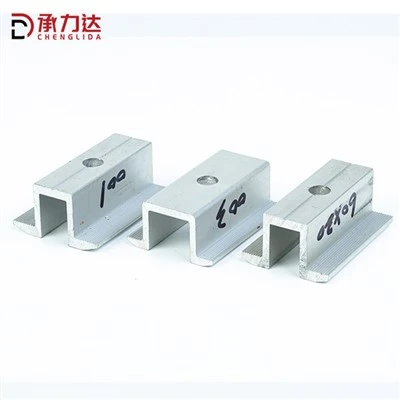
Hey everyone, it’s Jake from the PV mounting team here. If you’ve ever walked a solar farm a few years after installation and spotted those tiny metal clamps holding your PV modules in place covered in that reddish, flaky rust, you know how frustrating that is. I’ve been supplying PV module clamps for over seven years now, and trust me, this is one of the most common headaches clients reach out about. It’s not just an aesthetic issue, either – rusted clamps can lead to loose modules, gaps in the array, and even more serious damage down the line. Today I’m breaking down exactly why clamps rust, and the real, actionable steps you can take to stop it from happening. No fancy jargon, just stuff I’ve learned from talking to installers, troubleshooting sites, and testing materials in our own warehouse. PV Module Clamp

First, let’s get one thing straight: rust isn’t just “metal getting old.” It’s a chemical reaction, specifically iron oxidation. When iron or steel is exposed to oxygen and moisture – plus things like salt, dirt, or UV radiation – the metal breaks down into that crumbly iron oxide we call rust. PV module clamps get hit with all of that 24/7. They’re mounted outdoors, often near coastal areas with salt spray, dusty agricultural fields, or industrial zones with chemical fumes, and they’re right there on the edges of modules where rain, dew, and melting snow can pool. Even if they look like they’re out of the weather, morning dew can sit in the small gaps between the clamp and the module frame for hours, creating the perfect environment for rust to start forming.
Here’s the thing I tell every new client when they reach out: not all clamps are created equal. I’ve seen cheap clamps labeled “stainless steel” that start rusting in 12 months, and premium options that still look like new after a decade of coastal exposure. The confusion comes from the different types of stainless steel and coatings out there. Let’s talk materials first, because picking the right base material is the single biggest defense against rust.
A lot of installers default to standard carbon steel for clamps because it’s cheap, but that’s a mistake for any outdoor installation that’s exposed to moisture or chemicals. Carbon steel has zero rust resistance on its own – it’s basically iron with a tiny bit of carbon, so it’ll start rusting within weeks if it’s not coated. Now, when it comes to stainless steel, not all grades work the same. The most common are 304 and 316 stainless steel. 304 is great for general outdoor use, like rural or suburban sites that aren’t near salt. It has chromium, which forms a protective oxide layer on the surface when it’s exposed to oxygen, keeping the iron underneath from reacting. But 316 is the real workhorse for harsh environments. It adds molybdenum, which makes it way more resistant to chloride corrosion – that’s the stuff in salt that eats through most metals. If your project is within 5 miles of the coast, or in an area with high humidity, road salt in winter, or industrial pollution, 316 is non-negotiable. I’ve had clients install 304 clamps at a coastal site and call me two years later saying half the clamps were rusted through, while a neighboring farm that used our 316 clamps still had zero issues. That’s the difference.
Then there are coated clamps, which are a go-to for many projects, but you have to get the coating right. The most common coating is hot-dip galvanizing, where the clamp is dipped in molten zinc, creating a thick layer that acts as a barrier between the steel and the elements. Hot-dip galvanizing is actually really good for general use, but wait – there’s a catch here. The coating has to be applied correctly, without any thin spots or scratches. If the zinc layer is too thin, or if it gets damaged during installation (like when you tighten the clamp too tight and the coating chips off), that spot becomes a rust point. I’ve seen some cut-rate suppliers use electro-galvanizing instead of hot-dip, which is a much thinner layer that wears off in a few years. Another option is powder coating, which is a smooth, even layer of polymer that bonds to the metal. Powder coating looks great, comes in different colors, and is very durable – but it’s only as good as the prep work. If the clamp isn’t cleaned properly before coating, or if the powder is too thin, it can chip or bubble, exposing the metal underneath. A lot of budget clamps use cheap powder coating that starts peeling after two or three years, leading to rust under the surface before you even see it.
Beyond material selection, proper installation is another huge factor that most people overlook. I’ve seen installers cut corners here all the time, and it directly leads to rust. First, torque is everything when tightening clamps. If you over-torque the clamp, you can crack or scratch the coating, or even bend the metal clamp, breaking that protective oxide layer on stainless steel. If you under-torque, the clamp won’t hold the module tight, so there’s space for moisture to get in between the clamp and the module frame, trapping water and dirt against the metal. I always recommend using a torque wrench set to the exact spec we provide with our clamps – usually around 8-12 Nm, depending on the clamp size and frame type. That number isn’t random; it’s tested to hold the module securely without damaging the metal.
Another installation mistake is not keeping the area around the clamp clean. Dust, leaves, bird droppings, and even small amounts of gravel can get trapped between the clamp and the module frame. Those materials hold moisture, and they can also scratch the coating as wind blows, creating entry points for rust. I always tell installers to wipe down the module mounting area before placing the clamp, and to make sure there’s no debris stuck in the clamp’s slots. Also, don’t leave extra hardware lying around on the site – loose bolts, nuts, and screws can get wet and rust, and if they come into contact with the clamp, they can transfer rust to it too.
Wait, what about for existing solar farms? If you’re reading this and you already have a PV array, and you’re seeing rust starting to form on your clamps, don’t panic. There are things you can do to stop it from getting worse. First, inspect the rusted clamps carefully. If it’s just surface rust (the flaky red stuff that’s only on the top layer), you can clean it off with a wire brush or sandpaper, then apply a rust-inhibiting primer and a top coat designed for metal that’s exposed to outdoor elements. But if the rust has gone all the way through the clamp (you can see holes, or the metal is brittle and crumbling), you’ll need to replace that clamp. I always recommend replacing all clamps on a section of the array at the same time, instead of just spot-replacing one here and there, to avoid uneven stress on the modules.
There’s also regular maintenance, which is something that’s often skipped for solar farms. A quick inspection every 12 months – especially after harsh weather like storms, heavy snow, or road salt application in winter – can catch rust early before it causes damage. Just take a walk along the rows, check each clamp for any signs of discoloration, flaking, or holes, and clean off any debris that’s built up. It takes about 2 hours for a 1 MW array, and it can save you thousands in repairs later.
Let me address a myth I hear all the time: “Rust only happens on clamps in bad areas.” That’s not true. Last year we had a client in the Midwest, 100 miles from the nearest coast, call us because their clamps were rusting. Turned out they were running a huge feedlot nearby, so the air had high levels of ammonia and dust, which is corrosive even inland. So don’t assume your site is “safe” just because it’s not coastal. If you’re in an area with high pollution, frequent rain, or extreme temperature swings, that extra step of using the right clamp material or coating is worth it.
Another thing I always emphasize is buying from a reputable supplier, not just going for the cheapest price. I’ve had installers bring me clamps they bought online for half what we charge, and it’s obvious they’re low-quality – thin metal, rough edges, inconsistent coating. Those clamps might seem like a good deal upfront, but they’ll rust in half the time, and you’ll end up paying more in replacement and repair costs down the line. When you’re choosing a clamp supplier, ask about their material testing: do they test their stainless steel grades for corrosion resistance? Do they guarantee their coating for a certain number of years? A good supplier will be transparent about that, not just throw a “rust-proof” label on a cheap product.
Wait, let’s talk about a recent update we made to our clamp line that’s helped even more with rust prevention. Last year, we started adding a secondary seal on the base of our clamps, where they meet the module frame. It’s a small, EPDM rubber strip that creates a barrier between the metal clamp and the frame, keeping moisture, dirt, and dust out of the gap. We tested this in a salt spray chamber for 1,000 hours (that’s equivalent to about 10 years of coastal exposure) and found zero rust under the seal. It’s a tiny addition, but our clients have told us it’s made a huge difference for their sites.
I know rust prevention might seem like a small part of solar installation, but it’s one of the most important for long-term performance. Solar arrays are built to last 25-30 years, and the clamps are the unsung hero holding everything together. If your clamps rust, you’re not just looking at replacing a small metal part – you’re risking the stability of your modules, which can lead to power loss, water damage to the panels, and even safety hazards if a module comes loose.
Let me recap the key points to make this easy to remember: First, choose the right material for your site – 304 stainless for general use, 316 for coastal, salty, or industrial areas. Second, pick quality coatings: hot-dip galvanizing for general use, powder coating for extra durability, and avoid thin, electro-galvanized coatings. Third, install correctly with the right torque, keep areas around clamps clean, and avoid scratching or damaging clamps during installation. Fourth, do annual inspections and catch rust early if it starts forming.
If you’re working on a new project and need help choosing the right clamps for your site, or if you have an existing array and are dealing with rust issues, I’d love to chat. We’ve worked with installers across the country, from small residential projects to large utility-scale solar farms, and we can help you pick a clamp solution that fits your needs and budget. Don’t wait until rust causes costly damage – reach out and let’s make sure your solar array stays reliable for decades to come.
Other Photovoltaic Accessories References
- Solar Energy Industries Association. (2021). Best Practices for Mounting and Maintaining PV Arrays.
- American Galvanizers Association. (2020). Corrosion Resistance of Hot-Dip Galvanized Steel for Outdoor Applications.
- International Organization for Standardization. (2019). ISO 15581: Corrosion of Metals and Alloys – Test Method for Evaluating the Resistance of Stainless Steels to Localized Corrosion in Chloride Environments.
- NREL. (2022). Long-Term Durability of PV Mounting Systems: A 15-Year Field Study.
Wuxi Chenglida Machinery Co., Ltd.
We are one of the most professional pv module clamp manufacturers and suppliers in China, also support customized service. Please feel free to buy durable pv module clamp made in China here from our factory. Quality products and reasonable price are available.
Address: No.4 Ruifeng Road, Huishan District, Wuxi City
E-mail: postmaster@wxcldjx.com
WebSite: https://www.wuxi-chenglida.com/
