Hey there! If you’re reading this, chances are you’ve got an electric tricycle (ETrike for short) and either you’re struggling to get the seat just right, or you’re about to buy one and want to skip the guesswork. As a supplier of ETrikes, I’ve seen so many new riders—and even some seasoned ones—mess up their seat adjustment at first. It’s not rocket science, but get it wrong, and you’ll end up with a sore back, cramped legs, or even worse, a wobbly ride that’s just not safe. Let’s break this down like we’re chatting over a coffee at our workshop—no fancy jargon, just real talk that actually works. Electric Tricycle
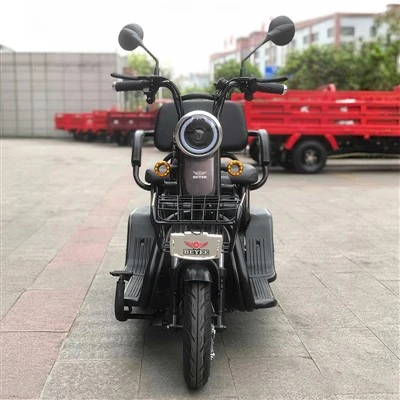
First off, let’s get one thing straight: your seat isn’t just for sitting. It’s your control hub, your comfort base, and the thing that keeps you from sliding around when you’re hauling groceries, a kid, or just cruising to the store. I’ve seen riders crank the seat all the way up because they think “higher = more control,” but then their knees are banging against the handlebars every time they pedal. Or the opposite—seat too low, and you’re hunched over like a turtle, straining your lower back after 10 minutes. Both of those suck, and they’re totally avoidable.
We usually split seat adjustment into two main parts: height and fore-aft (how forward or back it sits). Some ETrikes also have tilting seats, but we’ll cover that too—mostly because if you’re carrying cargo, a flat or slightly tilted seat makes way more sense than a backward lean. Let’s start with the basics.
Step 1: Prep Before You Touch The Seat
Before you even grab the adjustment lever, get on your trike like you’re planning to ride. Stand next to it first, then swing a leg over the seat (no need to start the motor—we’re just testing fit). Your feet should rest flat on the ground, right? That’s a quick safety check for when you’re stopped at lights, but for riding, it’s about where your legs land when you’re pedaling. Wait, no—let’s not jump ahead. First, check if your trike is a step-thru or a standard frame? Minor difference, but step-thrus often have lower seat heights because they’re made for easier mounting, so you might have to adjust more than you think.
Also, make sure the trike is on level ground. I can’t tell you how many times a customer says “my seat won’t stay put” and they were on a slope when they tightened the clamp. Gravity’s a jerk, so even a tiny incline can make the seat shift over time. Park it straight, put the parking brake on (another little safety thing—we don’t want it rolling while you’re tweaking), and you’re good to go.
Step 2: Adjusting Seat Height (The Most Common Mistake Zone)
Okay, height. Let’s do this right. When you’re sitting on the seat and your foot is all the way at the bottom of the pedal stroke (like when your leg is straight), your knee should have a slight bend—like, 10 to 15 degrees. No, “slight” isn’t technical, but trust me: if your knee is locked straight, you’re putting way too much stress on the joint every time you push down. That’s how you get knee pain that sticks around for days. If your knee is bent 30 degrees or more when the pedal’s at the bottom, your seat is too high, and you’ll be stretching to pedal—cramping your quads and making your ride feel way harder than it needs to be.
How do you adjust that? Most ETrikes have a quick-release lever under the seat, right? Not the tiny clamp that’s hard to reach—we switched to quick-release levers on all our models because customers kept pinching their fingers on the old ones. Just flip the lever up (it might take a little force if it’s been tight from the factory), slide the seat post up or down to where it needs to be, then flip the lever back down until it clicks. Test it: grab the seat and try to wiggle it side to side. If it moves, flip the lever up, adjust the tension nut (usually on the opposite side of the lever) a quarter turn clockwise, and try again. You don’t want it so tight you can’t adjust it, but you also don’t want it flopping around mid-ride.
Wait—what if you’re a shorter or taller rider? Our trikes come with adjustable seat posts, so we’ve got you covered. For shorter folks, don’t be afraid to lower the seat all the way (but not below the minimum mark—most seats have a little line that says “DO NOT ADJUST BELOW THIS”). That line’s there for a reason: if you go below it, the seat post can snap, and that’s a huge safety hazard. For taller riders, go up as high as you can without locking your knee at the bottom of the pedal stroke. I’ve got a buddy who’s 6’4” and he had to swap his seat post for a longer one once—turns out most stock posts are 12 inches, and he needed 14. We sell those as accessories, no big deal.
Step 3: Fore-Aft Adjustment (The Secret to Comfort)
Okay, height is half the battle, but fore-aft is the other half. This is where most people skip checking, and end up with a sore back or numb hands. Let’s think: your arms. When you’re sitting on the seat, your hands should rest on the handlebars comfortably, with your elbows slightly bent, not locked out like a robot. If your arms are stretched way out, you’re leaning forward, putting all your weight on your wrists and shoulders. That’s a one-way ticket to numb hands after a 20-minute ride. If your arms are crunched up against your chest, you’re sitting too far back, and your lower back is arching—sore back city.
The rule here is: when your foot is on the pedal at the top of the stroke (so your leg’s bent like you’re ready to push down), your knee should line up with the center of the pedal. That’s the key. If your knee is in front of the pedal, your seat is too far forward. If it’s behind, it’s too far back. Easy, right?
How to adjust this? Again, most ETrikes have a quick-release clamp under the seat, but sometimes it’s a bolt (on a few budget models, nothing to stress about). For a quick-release, flip the lever, slide the seat forward or back, then lock it. For a bolt, use an Allen wrench (most come with one, but keep a spare in your trike’s storage pocket—you’ll thank me later) to loosen it, slide the seat, then tighten it back up. Again, test for wiggle: if the seat slides when you lean on it, tighten the bolt a tiny bit more.
Pro tip: If you’re carrying a passenger (a kid, a friend, or even a big dog—we’ve seen it all) or a heavy cargo basket, slide the seat back a little. It shifts your weight to the rear wheel, which helps with stability. We actually recommend that for cargo riders—we design our trikes to handle that, but seat position makes a huge difference.
Step 4: Tilting The Seat (For When You Need A Different Vibe)
A lot of newer ETrikes have adjustable tilt seats now, and this one’s super personal. If you’re cruising around town, no cargo, you can tilt the seat slightly backward—like, 1 to 2 degrees. It takes pressure off your lower back and makes long rides way more comfy. But if you’re hauling heavy stuff (like a week’s worth of groceries, or a toolbox), tilt the seat flat or even slightly forward (half a degree). A backward tilt with weight in the front basket will make the trike feel tippy, and no one wants that.
Tilting adjustment is usually a small lever or a knob under the seat, separate from the fore-aft clamp. Just tweak it until it feels right. Test it by sitting for a minute, stretching your legs, wiggling around—if you don’t feel like you’re sliding forward or backward, you’re good.
Common Mistakes We See All The Time
Let’s talk about the stuff people do wrong, because even I used to mess these up when I first started riding. First, not testing the adjustment before you ride. Like, you adjust the seat, jump on, and 5 minutes later your knees are killing you. Always take a 1-minute test ride around your driveway, not the main road. Second, ignoring the minimum seat line. Customers come back all the time saying their seat broke, and half the time they went below that line. It’s there for a reason—don’t ignore it. Third, forgetting to tighten the clamp. We’ve had trikes come back with seats that fell off mid-ride (thankfully no one got hurt) because the rider thought “flip the lever” was enough, but they didn’t check the tension. It takes 2 seconds, do it.
Another thing: if you’re sharing your trike with someone else (a partner, a kid, a friend), label the adjustment positions! I once had a customer with a sticky note on their seat that said “Me = height 10, fore-aft 5” and their kid’s name next to a different number. That way no one’s guessing, and you’re both comfy.
Final Check Before You Roll Out
Before you head out, do three quick checks. One: stand next to the trike, make sure the seat is level, not tilted left or right. A lopsided seat will make you lean, which is bad for balance. Two: wiggle the seat hard—no movement, that’s good. Three: sit, pedal a couple times, stand up while moving (if you’re comfortable) to make sure you don’t slide or lose control. If all that works, you’re golden.

Now, if you’re still not sure, or you’re in the market for an ETrike and want one with easy seat adjustments (we’ve got models with tool-less adjustments for people who hate fumbling with wrenches), hit us up. We’re here to help—no pushy sales stuff, just real advice from people who ride these things every day. Whether you’re a weekend cruiser, a daily commuter, or someone who needs to haul stuff for work, getting the seat right is the first step to a way better ride.
Electric Cargo Tricycle I know this sounds like a lot, but it’s really simple once you do it once. Next time you’re adjusting your seat, just remember: slight knee bend at the bottom, elbow bend at the handlebars, no wiggle, and don’t skip the minimum line. You’ll thank me when your back doesn’t ache after a 20-minute trip to the grocery store.
References
- Electric Tricycle Safety & Comfort Guide, Global Mobility Solutions, 2023
- Ergonomic Adjustment Standards for Personal Electric Vehicles, International Transport Forum, 2022
- Customer Maintenance Feedback, E-Trike User Surveys, 2021-2024
Chongqing Beiyi Vehicle Co., Ltd.
With abundant experience, we are one of the most professional electric tricycle suppliers in China. We warmly welcome you to buy durable electric tricycle at competitive price from our factory. If you have any enquiry about pricelist, please feel free to email us.
Address: Area B, Luohuang Industrial Park, Jiangjin District, Chongqing.
E-mail: dayang@besttricycle.com
WebSite: https://www.beyeemoto.com/
