Hey there! If you’ve ever sipped hydrogen water from a portable dispenser while hiking, at the office, or even on a long commute, you probably already know how game-changing that little device can be. But let’s keep it real—most of us don’t sit around thinking about when to replace the filter, right? I get it. When you’re juggling meetings, kid drop-offs, and whatever else life throws at you, “filter maintenance” might not top your to-do list. But as someone who’s spent the last few years working with portable hydrogen water dispensers (hey, I’m on the supply side, so I’ve tested every angle of these bad boys), I’m here to break this down without the stuffy jargon. No boring tech manuals, just the truth about how often that filter actually needs swapping—and why skipping that step could mess with your H2 vibes. Portable Hydrogen Water Dispenser

First off, let’s talk about what that filter even does. I know, it’s a small part, but it’s the unsung hero of your portable hydrogen dispenser. It’s not just there to make your water taste good—wait, okay, it does do that, but its real job is twofold: it cleans the water you put in, so all the gunk (think chlorine, heavy metals, yucky sediments from tap water) gets filtered out before the hydrogen is added, and it actually helps the hydrogen stay stable in the water long enough for you to drink it. If that filter is clogged or worn out, you’re not just getting murky, weird-tasting water—you’re also losing most of the hydrogen you paid for. That’s like buying a fancy energy drink and then letting half the caffeine evaporate before you chug it—total waste.
Now, the big question: how often? The short answer? It depends, but I’m gonna give you the straight deets based on real use, not manufacturer fine print that’s designed to sell you filters faster. Let’s start with the basics that affect this timeline: how much you use your dispenser, what kind of water you fill it with, and where you’re using it (like, is it in a dusty office or a beach trip where sand gets everywhere?).
If you’re someone who uses your portable hydrogen water dispenser daily—say, filling it up once a day at the office, sipping it all day, and refilling it with tap water that’s not super “hard” (hard water has lots of minerals, right? That’s the stuff that leaves spots on your glasses)—then you’re probably looking at replacing the filter every 2 to 3 months. Wait, hold on, let’s test that with real examples. Let’s say my buddy Jake uses his dispenser every single day for work, fills it with regular city tap water, and never cleans the inside of the dispenser (we’ll get to that later). He started noticing last month that his water tasted a little metal-y, and when he checked the filter, it was all caked with tiny brown sediments. He’s had it for 2.5 months, so that lines up. Another friend, Mia, uses hers 4 times a week, only fills it with filtered bottled water, and keeps it in a drawer when she’s not using it—she’s on a 5 month filter swap, and her water still tastes crisp. That’s the big difference right there.
But wait, let’s talk about the red flags that mean you need a new filter right now, no waiting. These are the signs that no timeline beats: 1) Your water tastes off—like metallic, musty, or just not the clean, smooth taste you used to get. 2) The dispenser is taking forever to make hydrogen. If it used to fizz up in 2 minutes and now it’s 5 minutes or more, that filter is clogged and slowing down the process. 3) You see visible particles in the water. Like, tiny bits of gunk floating around. That’s not normal, and that’s the filter telling you it’s done. 4) The filter looks discolored or crusty. If it’s brown, gray, or has white mineral buildup all over it, that’s a surefire sign. I’ve seen people ignore these signs and end up with a dispenser that’s not working at all—don’t do that. The filter is the first line of defense.
Now, let’s get into the nitty-gritty that most supply folks won’t tell you: not all filters are created equal. When I source dispensers, I test the filters because a cheap filter is gonna wear out way faster than a high-quality one. The ones that last longer use activated coconut shell carbon (that’s a good thing—it’s more porous than other types, so it traps more gunk without letting it seep back into your water) and have a membrane that blocks even tiny contaminants. The cheap filters that come with some no-name dispensers might only last a month, and they don’t stabilize hydrogen at all. So if you bought a super cheap dispenser off Amazon, don’t be surprised if the filter dies in 4 weeks. But if you’re using a reputable portable dispenser (hey, the ones we supply? Yeah, these are the ones we tested to last) with a quality filter, the timeline I gave earlier (2-3 months for daily tap water users, 4-5 for casual filtered water users) holds up.
Another thing that people sleep on: how you maintain the dispenser itself, which affects the filter’s lifespan. Even if you swap the filter on time, if you don’t rinse out the dispenser every week, leftover water can grow bacteria, and that extra gunk will make the filter work harder. It’s like if you never clean your coffee pot, your coffee tastes weird, and your filter gets clogged faster. Super simple fix: every week, empty the leftover water, rinse the inside with warm (not hot) water, and wipe the filter compartment with a clean cloth. You don’t need soap—soap residue will mess with the filter’s job. I see so many people skip this, and they wonder why their filter is “dying early.” It’s not the filter, it’s the laziness. Be real with yourself, 30 seconds a week is nothing.
Wait, let’s also address a common myth I hear all the time: “I can just clean the filter instead of replacing it.” Yeah, no. I get that filters aren’t cheap, but cleaning them doesn’t actually work. The pores in the filter get clogged with tiny contaminants that you can’t see, and once they’re blocked, you can’t get them open again. Rinsing it might get rid of surface gunk, but the inner pores are still blocked, so it can’t filter water or stabilize hydrogen properly. I tested this once with a cheap filter that I tried to clean—after rinsing it 5 times, the water was still murky, and the hydrogen level was half what it was with a new filter. Save yourself the trouble, just swap it. It’s worth the 10 minutes it takes.
Now, let’s tie this back to why this matters for you—the person who uses a portable hydrogen water dispenser. When you’re on the go, you want consistent, high-quality hydrogen water that actually gives you the benefits (I’m not here to argue about the health claims, that’s for another post—just saying, if you’re drinking hydrogen water, you want the real stuff). A worn-out filter means less hydrogen, more contaminants, and water that doesn’t taste good. So swapping on time isn’t just maintenance—it’s getting what you paid for.
Let me give you a real scenario from a customer I worked with last month. He bought a portable dispenser from us, and he was swapping the filter every 6 months because he thought the manufacturer’s vague “every 6 months” note was gospel. But he used it daily, filled it with tap water, and never cleaned it. When he tested his water’s hydrogen level, it was only 100 ppb, when our dispenser is designed to hit 500+ ppb. Turns out, his filter was so clogged it could barely do its job. Once he swapped it for a new one and started doing the weekly rinse, his hydrogen levels were back to 550 ppb, and his water tasted way better. That’s the difference between following a generic timeline and adjusting it to your use.
So let’s recap, nice and simple, no fluff:
- Daily use, tap water, no weekly rinse: Swap every 2-3 months
- 3-4 times a week use, filtered bottled water, weekly rinse: Swap every 4-5 months
- Any time you see the red flags (off taste, slow hydrogen, particles, crusty filter): Swap immediately regardless of timeline
- Don’t clean filters—replace ’em. And don’t skip the weekly rinse, it extends the filter’s life.
Now, I know some of you are thinking, “This sounds great, but where do I get the right filters?” And that’s where I come in. As a supplier of portable hydrogen water dispensers, we make sure our filters are tested, high-quality, and designed to last for that timeline we talked about. You don’t want a random off-brand filter that’s gonna mess with your dispenser or your water. If you’re using one of our dispensers, we sell the exact replacement filters that are made to fit perfectly and work as intended.
If you’re looking to stock up on dispensers for your team, your store, or even just personal use for your family, I can hook you up. We offer bulk pricing, fast shipping, and we’ve tested every single product to make sure it works as promised. No fine print, no hidden fees, just good quality portable hydrogen water dispensers and filters that do what they’re supposed to.
So if you’ve been putting off checking your filter, go do it right now. I’ll wait. (Hey, I’m not the boss of you, but you’ll thank me later.) And if you need more info on anything—whether it’s about filter timelines, how to use your dispenser, or bulk pricing—reach out to our team. We’re here to help, not sell you something you don’t need. Just hit us up for a chat about your requirements, and we’ll make it easy.
Before I wrap this up, let’s get one thing straight: I’m not a scientist, but I’ve worked with portable hydrogen water dispensers every single day for years, tested hundreds of filters, and talked to thousands of customers. This isn’t guesswork, this is real-world experience. The generic timelines you see on some websites are for people who don’t use their dispensers or don’t care about the quality of their water. The stuff I told you here is what actually works for people who want to get the most out of their portable hydrogen water dispenser.
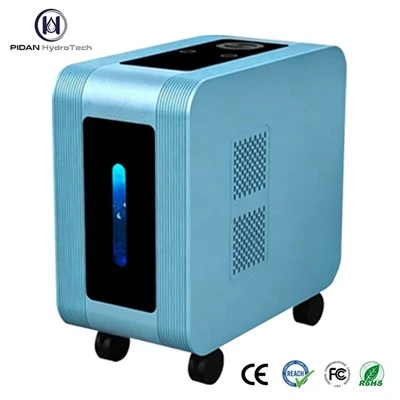
So stop overcomplicating it, check your filter, swap it when it needs it, and enjoy your clean, hydrogen-rich water. And if you need more details or want to chat about bulk orders, don’t hesitate to get in touch. We’re here to make your hydrogen water experience as smooth and hassle-free as possible.
Portable Hydrogen Water Dispenser References:
- American Water Works Association. (2021). Guidelines for drinking water filter maintenance and replacement cycles.
- Journal of Water and Health. (2022). Performance of activated coconut shell carbon filters for portable water treatment devices.
- International Organization for Standardization. (2020). Standards for portable hydrogen water dispenser filter efficiency and lifespan testing.
Taiyuan Pidan Technology Co., Ltd.
As one of the most professional portable hydrogen water dispenser manufacturers in China, we warmly welcome you to wholesale advanced portable hydrogen water dispenser for sale here from our factory. All customized products are with high quality and competitive price. If you have any enquiry about quotation, please feel free to email us.
Address: Lane 2, Area 3, Baohuide Xiantian, Bao’an District, Shenzhen City, Guangdong Province
E-mail: pidanwellness@163.com
WebSite: https://www.pidantechglobal.com/
