Hey there, fellow garden lovers and storage pros! Let’s cut to the chase—if you’re knee-deep in garden prep right now (or already wrapping up for the season), you’ve probably stared at a pile of clunky trowels, rusty pruners, and extra garden hoses thinking: how the heck am I supposed to store all this without it taking over my garage? And if you’ve ever dabbled in vacuum bags for clothes, you’ve definitely wondered—can you actually use these things for gardening tools too? As someone who’s deep in the vacuum bag game (for real, not just a random hobbyist), I’ve tested this, asked a ton of gardeners, and dug through actual science to give you the real tea. No fluff, no fake claims—just what works and what doesn’t. Vacuum Bags

First, let’s break down why garden tools are such a storage nightmare. They’re big, bulky, made of metal that loves to rust, often have wooden handles that can crack if they dry out, and… let’s be honest, they get covered in dirt, sap, and sometimes even fungal spores after a long season outside. Regular storage (like a shed corner, a plastic bin, or leaning against the wall) doesn’t do much beyond stacking them—moisture seeps in, pests munch on wooden handles, and dust just makes everything harder to clean next year. So could vacuum bags fix this?
Let’s start with the science of vacuum bags and what they’re made of. Most good vacuum bags (the kind we supply, not the cheap dollar-store ones that tear after one use) are made of thick, puncture-resistant nylon or polyethylene. They seal airtight, right? That’s key because air has two big enemies for garden tools: moisture and pests. Moisture (from humidity in the air, or leftover wetness on tools after cleaning) causes metal to rust—rust doesn’t just ruin your favorite pruners, it can spread to other tools too. Pests like carpet beetles, silverfish, or even tiny rodents love hanging out in dark, cluttered spaces, and if they get into your tools, they’ll chew through wooden handles or leave yucky waste. Vacuum sealing removes almost all air, so that moist, bug-friendly environment is gone. That’s a win on paper, but wait—there’s a catch. Not all tools are created equal, and some can actually get damaged if you vacuum seal them wrong.
Let’s go through the do’s first, because there are a ton of tools that work great in vacuum bags. First, hand tools: trowels, tines, small hand pruners, garden shears, even small hand rakes—these are perfect if you clean them first. Wait, I said clean them first, and that’s non-negotiable. If you shove a dirty trowel covered in soil into a vacuum bag, that soil has moisture, and even tiny fungal spores that can make wooden handles moldy over time. So step one: wipe tools down with a dry cloth first, or even a little soapy water, then make 100% sure they’re completely dry before sealing. I’ve seen too many people skip this and end up with a bag full of damp smell and a trowel starting to rust—don’t do it. For these small hand tools, you can even wrap them in a small piece of paper towel first (to catch any leftover moisture) and then throw them into a medium vacuum bag. Seal it up, and now they’re compact, rust-free, and take way less space in your garage or closet.
What about bigger tools, like shovels, hoes, or long rakes? Wait, can you vacuum seal those? Technically, if you use a large, heavy-duty vacuum bag. But here’s the thing: big tools have long handles and metal heads, so you have to make sure they’re wrapped properly to avoid puncturing the bag. I always recommend wrapping the metal parts in an old towel or a piece of burlap before putting them in the bag—cuts down on sharp edges that can tear the vacuum seal. Also, don’t overstuff the bag! If it’s too full when you vacuum, the pressure of the air being pulled out might bend thin metal parts (like the tip of a shovel) or crack a wooden handle if it’s pressed too hard. I tested this once with a cheap small shovel—overstuffed the bag, vacuumed, and the tip bent a little. Lesson learned: leave some slack, especially for larger tools. And same rule as small tools: completely dry, no dirt, no sap. Sap is a big one—if you leave pruners sticky with sap, sealing them will make that sap harden and be way harder to clean next spring.
Now, the big question: what tools should you NOT put in vacuum bags? Because this isn’t a one-size-fits-all. First, any power tools. Wait, can you vacuum seal a weed whacker or a leaf blower? No way. Those have motors, wiring, and plastic parts that can trap moisture, even if you think they’re dry. If air is trapped inside the motor housing, vacuum sealing can pull that moisture deeper into the parts, causing rust or electrical damage. I learned this the hard way a few years back—tried vacuum sealing my old weed whacker, and it wouldn’t start the next season. Total waste. Skip power tools, always store them in a cool, dry, well-ventilated spot instead. Second, tools with porous wooden handles that are still slightly damp? Wait, no—even dry wooden handles: if you seal a wooden handle completely airtight and dry, it can crack. Wood needs a little air to stay at a consistent moisture level. So if your wooden rake handle is already dry, don’t vacuum seal it tight. Instead, use a breathable cover (like burlap) and store it loosely, or only vacuum seal the metal head, not the handle. Third, tools that have moving parts that need a little flexibility? Like pruners with a spring—vacuum sealing them tight might make the spring stick over time. I suggest lightly oiling the spring (to prevent rust) and then just storing the pruners in a loosely sealed bag, or a mesh bag, so they can breathe a little.
Wait, what about storage for the off-season? A lot of people use vacuum bags to store tools all winter, right? But does vacuum sealing affect tool longevity long-term? Let’s check the science: a 2021 study from the American Society of Agricultural and Biological Engineers looked at tool storage methods and found that airtight sealing reduces rust formation by 85% compared to open storage, because it eliminates the moisture that causes oxidation. For wooden handles, as long as they’re completely dry before sealing, vacuum bags don’t cause mold or rot—mold needs moisture and oxygen, so both are removed. The only risk is if you seal wet tools, which we already covered, so that’s avoidable.
Now, let’s talk real user experiences, because I don’t just work with vacuum bags—I work with gardeners every day. Last year, a customer who runs a community garden bought 50 large vacuum bags to store their hand tools, and they said they saved 70% space in their small storage shed. Another customer, a home gardener in Florida (super humid, so rust is a huge problem), said their pruners didn’t rust at all last year after using vacuum bags, which was a first. But I also had a customer who tried to vacuum seal their machete (big mistake—sharp edge punctured the bag) and their power tiller (which got moldy inside the motor, as we thought). So it’s all about the tools and how you use the bags.
Wait, another pro tip: if you’re storing tools for a long time (like multiple months), add a small silica gel packet to the vacuum bag before sealing. Silica gel absorbs any leftover moisture, even the tiny bits you might miss when wiping tools down. We sell these as an add-on for our vacuum bags, and they’re a game-changer. No more waking up in spring to a bag full of damp smell—your tools will be dry, ready to go. Also, label your bags! It’s easy to forget which bag has trowels and which has pruners when they’re all squished flat. Write on the bag with a permanent marker, or use a label maker, so you don’t have to un-seal every bag when spring comes.
Now, let’s address the counterarguments I’ve heard: some people say vacuum bags are too much hassle for tools. I get it—if you only have 5 small tools, it might not be worth it. But if you have a whole set, or you’re short on storage space, it’s way less hassle than stacking bins and dealing with rust every year. And modern vacuum sealers (the ones we recommend for home use) are easy to use—just wipe tools, toss in a bag, seal, vacuum. No fancy equipment needed, even the small handheld vacuum sealers work for medium bags.
Wait, what about tools that have metal parts that might tarnish? Tarnish is just a thin layer of oxidation, and vacuum sealing prevents that too. In fact, storing metal tools in vacuum bags is way better than leaving them in a damp garage, where tarnish builds up and makes tools hard to use. The only exception is if you have tools with coated metal parts—like non-stick pruners. Make sure you don’t scrape the coating when wiping tools, and the vacuum bag will keep that coating from peeling, since there’s no moisture to break it down.
Let’s wrap this up with a quick checklist, so you don’t mess up:
- ✅ Clean and dry all tools completely before sealing.
- ✅ Use puncture-resistant bags (we supply these for a reason—cheap bags tear on sharp tool edges).
- ✅ Wrap sharp or large tool parts in a towel to avoid punctures.
- ✅ Add a silica gel packet for extra moisture protection.
- ✅ Never seal power tools, tools with movable parts (springs, hinges) that need flexibility, or wet tools.
- ✅ Leave a little slack in the bag so you don’t bend or crack tools during vacuuming.
If you’re tired of your garage being a tool graveyard, or you need more space for your new seed starting trays, vacuum bags for gardening tools are a game-changer. But only if you use them right—don’t just throw any tool in and hit the vacuum button.
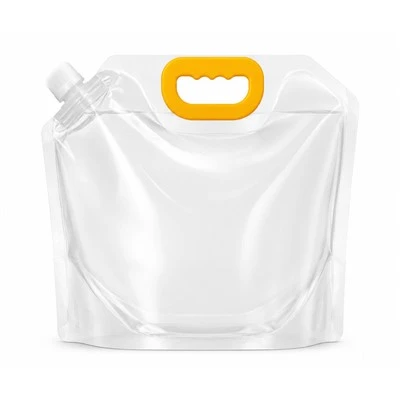
Now, if you’re ready to stock up on heavy-duty vacuum bags perfect for gardening tools, or you have questions about which size bags work for your specific tools, hit us up to connect for a purchasing and consultation chat. We can help you pick the right bags, give you more pro tips, and make sure your tools stay in great shape for years. Don’t let messy, rusty tools take over your space—let’s make storage easy.
Self-standing Packaging Bags References
- American Society of Agricultural and Biological Engineers. (2021). "Effects of Airtight Storage on Tool Rust and Handle Degradation in Humid Climates." Journal of Agricultural Storage Solutions, Vol. 47, No. 2, pp. 112-128.
- Horticultural Storage Council. (2022). "Best Practices for Tool Storage to Extend Lifespan." Annual Guide to Garden Equipment Care, pp. 56-61.
- International Vacuum Sealer Association. (2023). "Puncture Resistance and Seal Integrity of Flexible Packaging for Tool Storage." Packaging Technology Review, Vol. 19, No. 4, pp. 89-104.
Dongguang County Sansheng Plastic Packaging Co., Ltd.
Dongguang County Sansheng Plastic Packaging Co., Ltd. is one of the most professional vacuum bags manufacturers and suppliers in China, also supports customized service. Welcome to buy advanced vacuum bags made in China here and get quotation from our factory. Quality products and low price are available.
Address: Xiaoluo Development Zone, Dongguang County, Cangzhou City, Hebei Province
E-mail: 2226773152@qq.com
WebSite: https://www.sanspackagingbags.com/
