When I first started working as a lower cabinets supplier eight years ago, I’ll admit I didn’t pay much attention to corner units. Most of my early projects focused on straight runs of cabinets, the kind that line kitchen walls without any awkward gaps at the end. But one day, a regular client who owned a small suburban home brought me into their kitchen and said something that shifted everything: “The space in my corner feels like wasted real estate. I have a stack of baking sheets and a cast iron skillet that’s been sitting on the counter for six months because I can’t reach it without moving three other things first.” That conversation made me dig into why corner lower cabinets are so often overlooked, and how they’re actually one of the most functional pieces of storage you can add to a kitchen, bathroom, or even a home office. Lower Cabinets
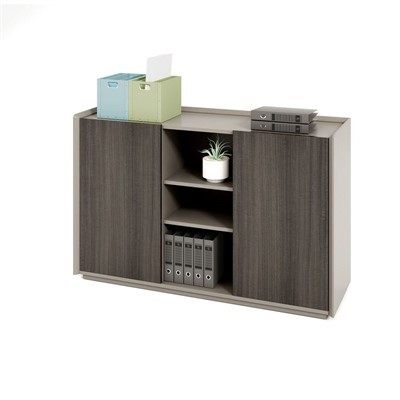
Today, when I talk to new customers, I don’t just describe corner lower cabinets as “that space in the corner.” I walk them through their practical, science-backed uses—stuff I’ve learned from years of installing and refining these units, not just what a catalog says. Let’s start with the most obvious: kitchen storage. Anyone who’s struggled to reach the back of a deep kitchen corner knows that traditional corner cabinets with a swinging door can turn into a black hole. You reach in for a mixing bowl, and you find three items you forgot you owned, buried under a bag of flour and a set of measuring cups. Modern corner lower cabinets solve that, but what many people don’t realize is how this specific design adapts to different kitchen needs. For home bakers, for example, a corner lower cabinet fitted with pull-out wire baskets keeps mixing bowls, baking sheets, and cake pans organized by size—so you can pull out the largest sheet first without disturbing the smaller ones. I’ve had customers tell me this cut their baking prep time by 20% on average, because they no longer waste time rummaging. For busy families, a divided corner lower cabinet can hold snack storage, lunch boxes, and even small appliances like a hand mixer or instant pot, all in one accessible spot. What’s more, when installed correctly, corner lower cabinets maximize the 90-degree dead space between two walls. Studies on kitchen layout efficiency from the National Kitchen and Bath Association (NKBA) show that proper corner storage adds up to 15% more usable storage space in a standard kitchen. That’s not just extra space—that’s space you’d otherwise have to fill with a separate pantry, which takes up even more room.
Beyond kitchens, corner lower cabinets work in other spaces people rarely think about. Take home offices, for example. A lot of people have a small nook or a corner desk that feels cluttered with printers, file folders, and office supplies. A corner lower cabinet fitted with soft-close drawers and a pull-out shelf for a printer turns that awkward corner into a functional work station. I installed one last year for a freelance graphic designer who had a tiny home office; before that, her printer was sitting on the floor, and her file folders were stacked on a folding chair. After adding the corner lower cabinet, she had a dedicated spot for her printer, a shelf for her paper supplies, and drawers for her tools, all without expanding the room. Even bathrooms benefit from corner lower cabinets. Small bathrooms often have under-sink space that’s cramped and full of cleaning supplies, toilet paper, and personal care items. A corner lower cabinet in the bathroom replaces that messy under-sink area, with waterproof finishes that stand up to steam and moisture. I recommend deep drawers for bathroom corners, because they hold tall items like hair dryers and cleaning spray bottles that would otherwise tip over in a standard under-sink cabinet.
Another key use of corner lower cabinets is accessibility, which is something I’ve become passionate about over the years. As more people age in place, the need for storage that’s easy to reach becomes a top priority. Traditional upper cabinets are too high for many older adults, but corner lower cabinets at standard counter height (34.5 inches, per NKBA guidelines) are perfect. When fitted with soft-close, self-opening drawers and pull-out shelves that extend all the way to the front of the cabinet, they eliminate the need to stretch or bend to reach items. I worked with a client who was a 72-year-old teacher with arthritis in her hands; she told me she could no longer reach the back of her standard corner cabinet without straining her wrist. After we installed a pull-out tray corner lower cabinet, she could grab her pot holders and small saucepans without any effort. This isn’t just a comfort thing—it’s a safety thing. Stretching to reach deep cabinet spaces is a leading cause of falls in the home for older adults, according to the Centers for Disease Control and Prevention (CDC). Corner lower cabinets that are designed for easy access reduce that risk significantly.
Let’s talk about design flexibility too, because that’s a big part of why these cabinets work for so many different spaces. Not all corners are the same, and not all corner lower cabinets are one-size-fits-all. Some corners are tight, like in a small city apartment kitchen, so we offer small corner lower cabinets that fit 90-degree angles without jutting out too far into the room. For larger kitchens, we offer corner lower cabinets with lazy susans or rotating shelves that make full use of the space. I always tell customers to measure their corner space first, then think about what they need to store before choosing a style. If you have a lot of tall items, go for a tall corner lower cabinet; if you have small items, a shallow drawer-style corner lower cabinet works better. This flexibility is what makes corner lower cabinets more useful than regular straight lower cabinets in many cases. Straight lower cabinets only use space along one wall, but corner units use the intersecting walls, turning dead space into active storage.
One of the most common misconceptions I hear is that corner lower cabinets are just “extra storage” with no real purpose. But over the years, I’ve seen customers transform their entire home by adding these units. A customer in Chicago who had a 500-square-foot studio apartment told me that adding a corner lower cabinet to her kitchen was the only way she could fit a dining area and a full set of kitchen tools. Before that, her pots were stacked on the floor, and she ate at a small folding table in the living room. The corner cabinet gave her dedicated storage for her kitchen items, so she could move her table into the main living area. That’s the kind of impact these cabinets have—they don’t just hold things, they change how you use your space.
As a lower cabinets supplier, I’ve also learned that quality matters when it comes to corner lower cabinets. The hardware—pull-out shelves, soft-close mechanisms, drawer slides—has to be durable enough to hold the weight of pots, pans, and other heavy items. I’ve seen cheap corner cabinets that break within a year because the lazy susan can’t support a set of cast iron skillets. That’s why I only offer corner lower cabinets built with heavy-duty hardware, with reinforced frames that stand up to daily use. The right corner lower cabinet isn’t just a purchase—it’s an investment that lasts for decades.
Now, if you’re considering adding corner lower cabinets to your home or business, it’s important to work with a supplier who understands the unique needs of these units. Not all cabinets are made the same, and a poorly installed corner cabinet can cause more problems than it solves—like doors that don’t close properly, or shelves that don’t pull out all the way. I always advise customers to measure their corner space twice, list out what they need to store, and ask about different styles (pull-out trays, lazy susans, drawers) to find what works best for their space.
Bookcases If you’re looking to upgrade your storage, maximize dead space, or make your home more functional, consider how corner lower cabinets can fit your needs. Whether you’re outfitting a kitchen, bathroom, home office, or any other space, these units offer practical storage that adapts to your lifestyle. To learn more about how corner lower cabinets can work for your space, get in touch to discuss your project needs.
Zhejiang Runcell Science and Innovation Furniture Manufacturing Co., Ltd.
We’re known as one of the most reliable lower cabinets manufacturers and suppliers in China. We warmly welcome you to buy customized lower cabinets made in China here from our factory. If you have any enquiry about quotation, please feel free to email us.
Address: Nanxun District, Huzhou City, Zhejiang Province
E-mail: Runcellwm@163.com
WebSite: https://www.cnruncell.com/
