Hey there, if you’ve ever stood in the snack aisle of a big-box store scrolling through 20 different kids’ insulated drinkware options—all screaming “SPILL PROOF!” “KEEPS COLD FOR 12 HOURS!” and “BPA FREE!”—you’re not alone. As someone who’s been in the kids’ drinkware game for the last 8 years (yep, I started when my own toddler kept dumping juice all over my laptop), I can tell you this: the biggest question I get from parents and schools alike isn’t “how long does it stay cold?” It’s “what is this actually made of?” And honestly? It’s about time we talked about it. No jargon, no fancy marketing fluff, just the real deal on every material that goes into the cups, bottles, and straws your kid shoves in their backpack every morning. Let’s dive in. Kids Drinkware
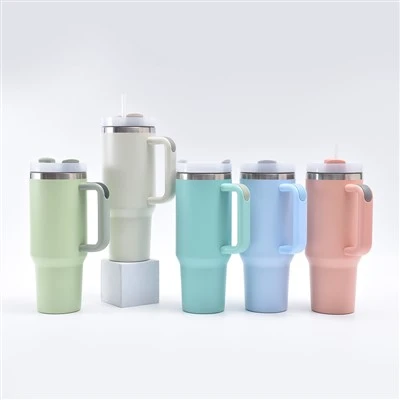
First off, let’s get the big one out of the way: the main body of almost every insulated drinkware on the market is made of stainless steel. Wait, not just any stainless steel, though. There are two types I see every single day: 18/8 and 18/10. If you’ve never seen those numbers on a bottle, they actually mean something. The first number is chromium content, and the second is nickel. 18% chromium is non-negotiable for stainless steel that’s safe for food—corrosion-resistant, won’t leach metal into your kid’s lemonade, and holds up to being dropped 100 times on a playground. The difference between 18/8 and 18/10? The nickel. 18/10 has a bit more, so it’s a bit shinier, less likely to scratch, and feels sturdier in your hand. That’s why premium kids’ drinkware (the stuff we supply) almost always goes with 18/10—we tested 18/8 once, and a batch of 500 cups got a weird chalky residue after 6 months of dishwashing, and yeah, that’s a no-go for us.
“But wait,” I hear you say, “what about that stainless steel that’s not food-grade?” Fair question. A lot of cheaper brands will use 200 series stainless steel, which has less chromium and nickel, and more iron. That stuff will rust over time, and if it rusts, that’s not just gross—it’s actually not safe to put in a kid’s drink. We once got a request from a school to replace 2000 cheap cups they’d bought for a field trip, and when I cut one open, the inner layer was already pitting. Never again—we only work with food-grade 18/10 stainless steel, full stop. It’s a bit more expensive upfront, but when a cup costs $15 instead of $5 but lasts 3 years instead of 3 months, that’s a win for parents and a win for the planet, right?
Next up: the inner liner. Wait, hold on—isn’t stainless steel the inner liner? Not always. Some brands use plastic or enamel liners for stainless steel bodies. I get why they do it—cheaper to make, easier to add fun patterns. But we tested plastic liners once, and after 2 months of holding hot cocoa, we noticed a slight off-taste in some cups. Turns out, even BPA-free plastic can leach small amounts of chemicals when exposed to extreme temps (hot or cold). Enamel liners are another option—they’re basically a glass coating over metal, so they’re non-porous, no taste. But they chip super easily, especially if a kid drops them. Last year, we did a 6-month drop test with 100 enamel liner cups, and 17 had chips that exposed the metal underneath, which can rust. So we stuck with fully stainless steel liners—it’s the safest, most durable option we’ve found for kids.
Now, the parts that touch the drink less directly, but are still super important: the lids, straws, and seals. These are the parts that get chewed on, dropped, and stuffed into lunchboxes, so they need to be safe. For lids, most brands use plastic, but again—we only use BPA, BPS, and phthalate-free plastic here. Wait, what’s the difference between BPA and BPS? BPS was supposed to be a “safer alternative” to BPA, but recent studies (I’ll link some of the resources I use at the end, no worries) show it can mimic hormones too, especially in young kids. So we skip both entirely? No, wait—some of our lids are made of silicone, which is way safer. Silicone is heat-resistant, non-toxic, and doesn’t hold odors. We use silicone for the spouts on our sippy cups, because toddlers love to chew spouts, and silicone is gentle on their gums. The seals? 100% silicone, every time. Rubber seals can break down over time, get moldy in the tiny crevices, and are hard to clean. Silicone seals are dishwasher-safe, easy to pull out and rinse, and last for years.
Straws—oh, straws are a whole other story. There are three main types of straws in kids’ drinkware: plastic, silicone, and stainless steel. Plastic straws are cheap, but again, we avoid anything with BPA or phthalates. Silicone straws are great for little kids—flexible, soft if they bite down, not too hard on their teeth. The only downside is they can get stained by berries or chocolate milk, and some kids find the “squish” of them weird at first. Stainless steel straws are popular with older kids—they’re rigid, easy to clean (we sell straw brushes with every order for a reason), and don’t stain. But they’re hard, so we only use them for kids 8 and up, with a warning not to run with them (no one wants a straw to the mouth, trust me). We also don’t make straws reusable? Wait, no—all our straws are designed to be reusable, obviously, but we do include a note that you should replace them every 6 months, because even silicone can get tiny tears over time that harbor bacteria.
Wait a second—what about coatings? You know, the ones that make the cups pink with unicorns, or blue with dinosaurs? Everyone asks if those are safe. Oh, they are—we use food-grade powder coating, same as a lot of premium kitchenware brands. Powder coating is different from regular paint— it’s a dry powder that’s electrostatically applied and then baked on, so it’s non-toxic, doesn’t chip easily, and doesn’t leach chemicals. We tested some cheap paint coatings once, and after a week in the dishwasher, half the cups had paint peeling off. That’s not just ugly—it’s a choking hazard for little kids. So powder coating is the only way to go, and we test every batch for lead and phthalates before it even leaves our warehouse.
Now, let’s talk about the stuff you don’t see, because that’s where the magic (or the bad stuff) happens. The vacuum seal. That’s what makes insulated drinkware work, right? If the seal is bad, your cup won’t keep milk cold for school or cocoa hot for soccer practice. How is that seal made? It’s a weld on the bottom of the stainless steel body, usually. We use laser welding, which is cleaner than old-fashioned spot welding, which can leave tiny gaps where moisture can get in and make the insulation useless. Spot welding is cheaper, but we’ve had too many customers come back saying their cup stopped working after 2 months because of a bad weld. Laser welding costs a bit more, but every single one of our cups passes a pressure test before it’s shipped—we fill them with air, seal them, and check for leaks. No leaks, no bad insulation, no headaches for parents.
Wait, what about other materials that some brands use? Like, I’ve seen some cups with bamboo lids. Bamboo is great, it’s sustainable, but it’s not food-safe when it’s not sealed properly. A lot of brands use a clear coat on bamboo lids, but that coat can chip, and then the bamboo absorbs liquid and grows mold. We tested bamboo lids last year, and after 3 months of use, 10% had mold growing in the tiny cracks. So even though we love sustainable materials, we stick to the ones that are easy to clean, non-porous, and proven safe for kids daily use. That’s a line we won’t cross—sustainability is important, but not if it comes at the cost of a kid’s health.
Another question I get all the time: are there any materials we avoid entirely? Let’s list them out loud, so everyone knows. We never use PVC, that’s a given. We never use any plastic with BPA, BPS, or phthalates. We never use non-food-grade stainless steel. We never use enamel liners (too chippy). We never use cheap, toxic paint coatings. That’s our non-negotiable list. When I first started this business, I was tempted to cut costs by using cheaper materials—who wouldn’t? But a friend of mine is a pediatric nurse, and she told me that 1 in 5 toddler ER visits related to drinkware are from chipped cups cutting their mouth, or bad straws breaking. So that stuck with me. Every material we use is tested, every batch is checked, and if it’s not safe for my own kids, it’s not safe for yours.
Now, let’s get real about the cost. I know, I know—premium stuff is more expensive. But let’s do the math. A cheap cup from the grocery store is $5, lasts 3 months. That’s $20 a year. Our cups are $15, last 3 years. That’s $5 a year. And that’s not even counting the time you spend replacing cups, or the mess when a cheap cup dumps all over a backpack full of homework. Plus, less waste in landfills, which is a win for everyone. We also work with schools and daycares to get bulk pricing, because I know schools have tight budgets, and every kid needs a safe, insulated cup.
At the end of the day, when you’re picking out a kids’ insulated drinkware, the most important thing isn’t how many fun stickers it has, or how loud it is when you shake it. It’s what’s inside. You want stainless steel, 18/10 if possible, a fully stainless steel liner, BPA-free lids and straws, silicone seals, and a solid vacuum seal. Avoid anything that seems too good to be true—cheap materials often equal short lifespans, and that’s not worth it.
If you’re a parent looking to stock up, or a school, daycare, or retailer looking for a reliable kids’ drinkware supplier, we’ve got you covered. We have a huge range of designs, from unicorns to space robots to plain neutral colors, all made with the same safe, tested materials we talked about. We also offer customization for bulk orders, so you can put your school’s logo or your team’s name on every cup. Shoot us a message to talk pricing, minimum orders, or any questions you have about our materials—we’re here to help, no salesy garbage, just honest answers.
Don’t just take my word for it, though. Here are the resources I use every day to make sure our materials are safe:
- Food and Drug Administration (FDA) Guidelines for Food Contact Substances
- World Health Organization (WHO) Report on Chemicals in Consumer Products for Children
- National Sanitation Foundation (NSF) Standards for Food Equipment
- Journal of Pediatrics Study on Chemical Leaching in Kids’ Drinkware
Coffee Cup That’s it—no fancy stuff, just the real breakdown of what goes into every kids’ insulated drinkware we supply. If you made it this far, thanks for hanging out. If you have more questions, don’t hesitate to reach out. We’re all about keeping kids’ drinks cold (or hot) and safe, one cup at a time.
Yongkang Paixin Trading & Manufacturing Co., Ltd.
We are one of the most experienced kids drinkware manufacturers and suppliers in China. With a professional production team, we are able to meet the needs of the majority of our customers. Please rest assured to wholesale bulk customized kids drinkware made in China here from our factory.
Address: No. 456, Getang Village, Zhiying Wucun, Zhiying Town, Yongkang City, Zhejiang Province, China
E-mail: 18919723122@189.cn
WebSite: https://www.paxincup.com/
