If you’ve been looking into solar energy storage lately, you’ve probably stumbled on lithium-ion batteries as a go-to option. But not all lithium-ion batteries are the same—today I want to talk specifically about LiFePO4 batteries, and why they’re becoming my top pick as someone who sells them for a living. LiFePO4 Battery
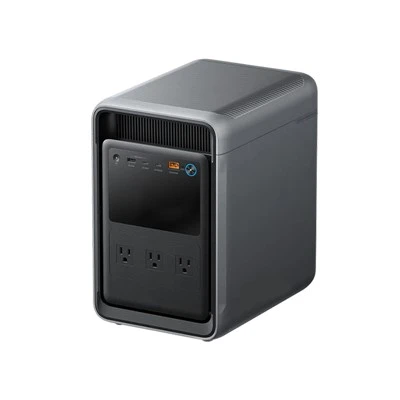
First off, let’s get the basics out of the way: LiFePO4 stands for Lithium Iron Phosphate. It’s a type of lithium-ion battery, but it’s built way differently than the old lithium-ion packs people used in phones or laptops back in the day. A lot of folks I talk to when they reach out to my shop assume all lithium batteries are the same, but that’s just not true. When it comes to pairing with solar systems, those differences make a world of difference.
Let’s start with safety, because that’s non-negotiable for anyone messing with solar storage. I’ve had customers come to me who tried a different battery type, and one had a scare when a cell overheated and swelled up. LiFePO4 doesn’t have that same risk. The cathode in LiFePO4 is iron phosphate, which is way more stable. Even if you puncture a cell, overcharge it, or crank up the temperature way higher than normal, it won’t catch fire or explode. That’s a huge deal for off-grid cabins or home solar setups where the battery is right in your garage or basement. No one wants to stress about their storage pack being a fire hazard.
Next up, cycle life. This is where LiFePO4 crushes the competition. When a battery’s cycle life, that means how many times you can charge it and drain it before its capacity drops below 80% of what it was brand new. Traditional lead-acid batteries only last about 500 to 1,000 cycles. Old-school lithium-ion packs might hit 2,000 to 3,000 cycles. But LiFePO4? We’re talking 6,000 to 10,000 cycles. That’s a massive difference. Let me put that in perspective for a homeowner: if you charge and drain your battery once a day, lead-acid is looking at 1 to 2 years before it’s not working like it should. LiFePO4 will last 15 to 20 years. For someone who’s investing in a solar system to cut their energy bills long-term, that means way less money spent on replacing batteries every few years. I’ve had customers tell me they switched from lead-acid and saved thousands over a decade just on replacement costs.
Wait, what about depth of discharge (DoD)? That’s another term you’ll hear a lot, and it basically means how much of the battery’s total capacity you can actually use before charging it again. Lead-acid batteries only let you use about 50% of their capacity—if you drain them more than that, you’ll damage them fast. Old lithium-ion might get you to 80%, but LiFePO4? You can use 95% of the capacity without any issues. So if you get a 10kWh LiFePO4 pack, you’re actually using almost 10kWh, whereas a lead-acid 10kWh is only giving you 5kWh. That means you can get away with a smaller battery for the same amount of usable power, or the same battery gives you way more power when the sun’s not shining. That’s a win for both your wallet and the space in your garage where you’re putting the battery.
Now, weight and size. Let’s be real—no one wants a huge, heavy battery taking up half their storage. Lead-acid batteries are super dense and heavy. A 10kWh lead-acid pack can weigh 250 to 300 pounds. The same 10kWh LiFePO4 pack? It’s only 120 to 150 pounds. That’s half the weight, and way smaller footprint. If you’re installing this yourself, you don’t have to worry about lifting something that could hurt your back. If you’ve got a smaller shed or limited space in your home for the battery, LiFePO4 fits way easier. I’ve had lots of customers who went with lead-acid and ended up having to build a whole separate shed just for the battery, and then switched to LiFePO4 and moved it into their existing utility closet. That’s a huge space saver.
Performance in extreme temperatures is another big one. Solar systems are used in all kinds of climates—from super hot desert areas to freezing northern regions. A lot of batteries lose a ton of capacity when it’s too cold or too hot. Lead-acid might lose 30% of its capacity when it’s below 32°F (0°C), and old lithium-ion can lose 20% in heat over 100°F (38°C). LiFePO4 doesn’t lose nearly as much. It still works reliably in temperatures from -4°F (-20°C) up to 140°F (60°C). That means if you’re in a place where winters are harsh, your battery still has enough power to keep your lights on when the sun’s barely out. If you’re in a hot area, you don’t have to worry about the battery overheating and cutting out on you during a heatwave when everyone’s cranking their AC.
Wait, let’s talk about maintenance. Lead-acid batteries are a total hassle for maintenance. You have to check the water levels every month, top them up with distilled water, make sure the terminals don’t corrode, and keep them upright at all times. If you forget to check the water, the plates can dry out and the battery dies fast. LiFePO4? They’re basically maintenance-free. Sealed, no liquid to top up, no corrosion to worry about, no need to keep them upright. You just install them, and that’s it. I’ve had customers who live out in remote areas where they can’t easily get to their battery every month, and LiFePO4 is the perfect fit for them—no more trips out just to check on a battery.
Another thing: charge efficiency. When you’re storing solar power, you don’t want to waste any of that energy turning it into heat or losing it while charging. LiFePO4 has a super high charge efficiency—like 95% to 98%. That means almost all the power your solar panels generate goes into the battery, not lost as waste. Lead-acid batteries only charge at 70% to 80% efficiency, so you’re wasting a quarter of the power right there. For someone who’s generating their own solar power, that’s a lot of wasted energy. Over a year, that adds up to hundreds of dollars in lost savings. I’ve had customers test their systems before and after switching to LiFePO4, and they noticed their monthly energy bills dropped even more than expected because more of the solar power was actually being stored and used.
Oh, and environmental impact, which is something more people are caring about these days. Lead-acid batteries have a lot of toxic materials—lead and sulfuric acid—that are bad for the environment if they’re not disposed of properly. If you get a used lead-acid battery, it can leach chemicals into the ground if it’s not recycled correctly. LiFePO4 uses iron, phosphate, lithium, and other materials that are way less toxic. They’re also easier to recycle—most of the components can be repurposed, whereas a lot of lead-acid parts end up in landfills. For someone who’s going solar to be more eco-friendly, choosing a battery that’s less harmful to the environment just makes sense.
I know what some of you are thinking: “Wait, LiFePO4 is more expensive upfront, right?” Yeah, it is—usually 20% to 30% more than a lead-acid battery of the same usable capacity. But let’s do the math here. A lead-acid battery that costs $500 will only last 1 to 2 years, so over 10 years you’d spend $2,500 to $5,000 replacing it 5 times. A LiFePO4 battery that costs $700 will last 15 to 20 years, so over 10 years you only spend $700. That’s way cheaper in the long run. Plus, the higher charge efficiency means you’re saving money on energy every month. I’ve had customers tell me their upfront cost was a little sticker shock, but within 2 years they’d already made up the difference in not having to replace the old battery and lower energy bills. It’s an investment that pays off way faster than you think.
Let’s also not forget about compatibility with modern solar gear. Most solar inverters these days are made to work with lithium-ion batteries, and LiFePO4 is the standard that all the big brands recommend. You don’t have to worry about wiring issues or compatibility problems that sometimes come with older battery types. Plus, a lot of LiFePO4 batteries have built-in BMS (Battery Management System) that keeps the battery safe, balances the cells, and prevents overcharging or over-discharging. That’s another layer of protection that you don’t get with basic lead-acid batteries, and it means your battery will last even longer because it’s always being monitored correctly.
I’ve seen so many people get stuck with the wrong battery for their solar system because they just go with the cheapest option upfront. But after talking to hundreds of customers, the ones who end up happiest are the ones who went with LiFePO4. They don’t have to deal with constant maintenance, they don’t stress about safety, and they don’t have to replace their battery every few years. For off-grid folks, it’s a game-changer—they don’t have to rely on noisy generators to keep power going when the sun’s down. For homeowners on grid-tied systems with battery backup, it means they can keep their fridge, lights, and even a few appliances running during a blackout without worrying about draining the battery too fast.
If you’re weighing your options for solar energy storage, I can’t recommend LiFePO4 enough. The benefits just stack up: safety, long life, more usable power, less maintenance, better efficiency, and lower overall cost when you look at the full picture. I’ve been working with LiFePO4 batteries for years now, and every customer who switches from another type tells me they wish they’d done it sooner.
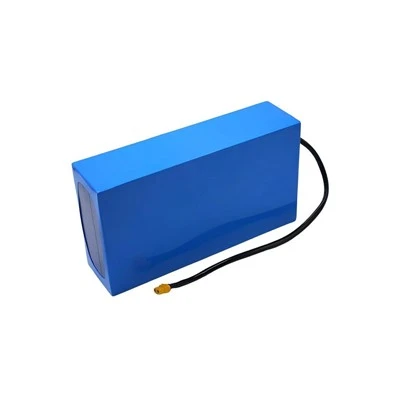
If you’re ready to talk about what size LiFePO4 battery would work for your solar system, or you have questions about pricing, installation, or how it would fit your specific setup, don’t hesitate to reach out. I’m here to help you figure out the right solution for your needs, no sales pressure, just honest advice from someone who’s been in the industry a long time. We can go over your energy usage, your solar panel setup, and any other factors that matter to you, so you can make the best choice for your home or property.
LiFeP04 Battery References
- Lithium Iron Phosphate (LFP) Batteries: A Review of Recent Advances in Materials, Electrochemistry, and Applications
- Cycle Life Comparison of Lead-Acid and Lithium-Ion Batteries for Renewable Energy Storage Systems
- Safety Characteristics of Lithium Iron Phosphate Cathode Materials for Electric Vehicle and Energy Storage Applications
- Depth of Discharge Effects on Battery Lifespan: A Comparative Analysis of Common Battery Types
- Temperature Performance of LiFePO4 Batteries vs. Traditional Lead-Acid Batteries in Solar Energy Systems
Suzhou Huaqian Contemporary New Energy Technology Co., Ltd.
As one of the most professional lifep04 battery manufacturers and suppliers in China, we warmly welcome you to wholesale bulk customized lifep04 battery at competitive price from our factory. If you have any enquiry about cooperation, please feel free to email us.
Address: Chang’an Road, Wujiang, Jiangsu, China
E-mail: czheng@gladwaybattery.com
WebSite: https://www.gladwaybattery.com/
