If you’ve ever walked through a manufacturing plant, aerospace test facility, or oil and gas exploration site, you’ve likely seen high-temperature cables under heavy use—harnessing the flow of power and data where standard wires would melt, degrade, or fail entirely. As a supplier of these specialized cables, I get questions every week from electricians, engineers, and maintenance teams about how we process them during installation and repair: “What’s the right way to cut these cables without damaging their performance?” or “How do I strip the insulation without nicking the conductor that’s holding up to 1,000°F in extreme conditions?” High-temperature Cables
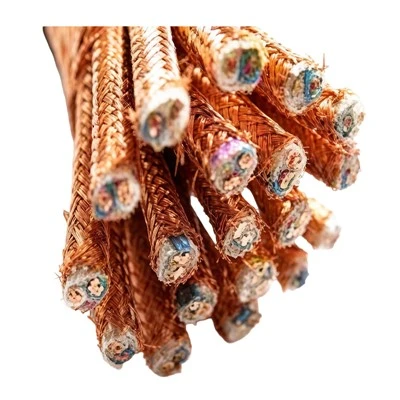
For years, I’ve watched teams make small, costly mistakes here—using regular wire strippers that crush the conductor, or a hacksaw that leaves frayed insulation that can catch on moving parts and spark a hazard. High-temperature cables aren’t like the RVV or THHN wires you use for residential wiring. Their insulation is made to withstand extreme heat, corrosion, and mechanical stress, and their conductors are often nickel-plated copper, Inconel, or even specialty alloys designed for durability. Cutting and stripping them is a deliberate, careful process—one that’s non-negotiable for safety and reliability. Let’s break down exactly what that process looks like, why it matters, and how you can do it right (or why trusting the right supplier to pre-process cables makes all the difference).
First, let’s get clear on what high-temperature cables are made of, because the materials drive almost every step of the cutting and stripping process. Unlike standard wires that use PVC or cross-linked polyethylene (XLPE) insulation, high-temperature cable insulation is typically cross-linked polyolefin, fluoropolymers like PTFE or FEP, silicone rubber, or even mineral-insulated metal-sheathed (MIMS) constructions. The conductors, too, are often thicker and more robust than standard wires—some are stranded for flexibility, others solid for steady power transmission, and many have a plating to resist oxidation at high temperatures. Even the inner cores and fillers are designed to maintain their shape at extreme heat, so pulling or cutting too hard can warp that structure.
Before you ever touch a tool to cut the cable, there’s a critical prep step most people skip: verifying the cable’s type and specifications. Not all high-temperature cables are the same. A cable designed for 600°F in a commercial furnace is different from one rated for 1,800°F in a jet engine test cell, and stripping methods change dramatically between PTFE-insulated single-conductor cables and multi-conductor silicone-jacketed control cables. I once had a customer show up to our loading dock with a batch of 100-foot PTFE cables, already cut with a bolt cutter, because they wanted to speed up installation. When I inspected them, the cuts left tiny cracks in the PTFE insulation that would have opened up at 800°F, leading to short circuits. They’d saved 10 minutes of cutting time, but would have spent thousands on a field failure and downtime for their facility. Prep isn’t glamorous, but it’s the first line of defense.
Now, the actual cutting process. Let’s start with the two main categories of cut you’ll need: straight, clean cuts for cable ends that will be crimped or terminated, and precision cuts for stripping insulation without damaging the conductor. For straight cuts, never use a hacksaw, bolt cutter, or utility knife—these tools tear or crush the cable’s outer jacket and inner insulation, creating micro-cracks that become failure points at high temperatures. The right tool here is a rotary cable cutter, specifically designed for high-temperature cables. These cutters have sharp, hardened steel blades that rotate around the cable, scoring the outer jacket and insulation evenly, without crushing the inner conductor. For smaller-diameter high-temperature cables (under 1/4 inch), a precision wire cutter with angled, non-crimping jaws works well—just make sure it’s labeled for use with specialty alloys, not standard copper wires.
There’s one exception to this rule: when cutting mineral-insulated metal-sheathed (MIMS) high-temperature cables. These are tough, stainless steel-jacketed cables designed for extreme heat up to 2,000°F, used in things like nuclear power plants and industrial furnaces. For these, you’ll need a band saw with a metal-cutting blade, or a specialized MI cable cutter. The key here is to keep the cut as straight as possible, and avoid leaving burrs on the metal sheath—those burrs can tear insulation during stripping, or cause short circuits when the cable is terminated. I always recommend having a file on hand to smooth any small burrs from MIMS cable cuts, before moving on to stripping.
Once you’ve made a clean, straight cut, the stripping step is where most people run into trouble. Stripping insulation from high-temperature cables is much different from stripping PVC: PTFE and FEP insulation is hard, doesn’t bend easily, and can crack if stretched; silicone insulation is soft but sticky, and can stick to the conductor if you use too much heat. Again, the wrong tool is the biggest culprit here. Regular wire strippers have adjustable jaws that are sized for standard wire gauges, and they’ll crush a nickel-plated copper conductor or nick an Inconel conductor—even a tiny nick creates a weak point that will break under tension at high heat, or corrode faster in corrosive environments.
The right tools for stripping depend on the insulation type. For fluoropolymer (PTFE, FEP) insulated cables, the go-to tool is a pneumatic or electric wire stripper with calibrated, non-crimping jaws. These jaws are sized to match the exact gauge of your cable’s conductor, so they only cut through the insulation, not the conductor. Many of these tools let you adjust the stripping length, which is perfect for consistent termination of multiple cables—something we do all the time when pre-processing bulk orders for our industrial clients. For small-diameter single-conductor PTFE cables, a sharp, precision utility knife (like a #11 Exacto knife) works if you’re careful, but I always warn against this: one slip and you nick the conductor, or cut too deep into the insulation that’s meant to fit snugly around the core.
For silicone rubber insulated cables, which are common in flexible applications like heating elements or robotic arms, you have two options: mechanical stripping with a specialized stripper for soft insulation, or hot knife stripping. Silicone is very sticky, so a mechanical stripper can sometimes leave residue on the conductor that makes termination harder. A hot knife, which heats to a controlled temperature (usually around 400°F, but adjusted for the cable’s insulation rating), melts through the silicone cleanly without leaving residue. The key here is to never let the hot knife touch the conductor—keep it pressed only against the outer insulation, and move slowly enough to cut through without melting the inner core. I’ve seen teams use a soldering iron tip as a makeshift hot knife, but that’s risky: too much heat can damage the conductor’s plating, leading to oxidation over time.
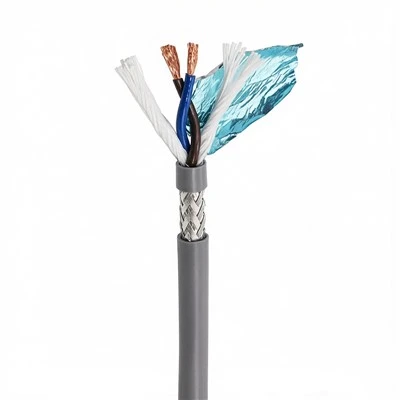
Multi-conductor high-temperature cables add another layer of complexity to stripping. These cables have multiple inner conductors, each with their own insulation, wrapped in a common outer jacket. First, you need to strip the outer jacket without damaging the inner insulation. For this, a layer stripper (also called a jacket stripper) is ideal—it’s designed to score only the outer jacket, leaving the inner insulation intact. Once the outer jacket is removed, you can then strip each individual inner conductor, matching the method to their insulation type. The biggest mistake here is using too much force when pulling away the inner conductors—many multi-conductor cables have a filler or binder between cores, and pulling too hard can stretch or tear the inner insulation. Take it slow, and use a small pair of tweezers to gently separate the cores once the outer jacket is off.
There’s one more critical step after cutting and stripping: inspecting the end. Even with the right tools, tiny defects happen. For every cable we process at our facility, we do a visual check and a conductor resistance test to make sure there are no nicks, cracks, or compression damage. If you have a nick in a conductor, the cable will fail early, even if it meets all specifications when installed. For high-temperature applications, that early failure isn’t just an inconvenience—it can cause downtime for a manufacturing line, a safety hazard in an aerospace test, or an environmental risk in an oil and gas well. I learned this lesson early in my career: a client once had a 10-hour shutdown of their furnace, costing them $50,000, because a stripped conductor had a tiny nick that caused a short circuit. They’d used a local electrician with regular tools, and saved $20 on stripping time—costing them 5,000 times that in downtime.
Now, I know some of you are asking: why not just let the supplier handle the cutting and stripping? For many of our clients, that’s exactly what we do. We pre-process bulk high-temperature cables to exact lengths, with stripped and terminated ends, so our clients just have to connect them to their equipment. That eliminates the risk of on-site errors, saves time, and ensures consistency across a large order. But if you’re doing on-site cutting and stripping, the key takeaways are: know your cable’s material, use the right tool for the job, prep before you cut, and inspect every end before installation.
I’ve been in the high-temperature cable industry for 12 years now, and the number of issues we see trace back to improper cutting and stripping is staggering. It’s a small part of the overall installation process, but it’s the foundation of the cable’s performance. When you’re working with wires that have to survive extreme heat, vibration, and corrosion, every tiny detail matters—down to how you cut and strip the insulation. If you’re working on a project and need advice on the right cables, tools, or processing methods, don’t hesitate to reach out. We work with electricians, engineers, and maintenance teams across every industry that relies on high-temperature cables, and we’re here to help make your project safer and more reliable.
High-temperature Cables References:
- High-Temperature Cables: Materials, Construction, and Applications. IEEE Press, 2021.
- Wire Stripping and Termination Best Practices for Extreme Environments. National Fire Protection Association (NFPA) 70B, 2022.
- Miner, R. “Specialty Cable Processing: Avoiding Common Failure Points in High-Heat Applications.” Industrial Equipment Maintenance Magazine, vol. 18, no. 3, 2023, pp. 45–52.
Anhui Yuantong Cable Co., Ltd.
As one of the most professional high-temperature cables manufacturers and suppliers in China, we offer a wide range of cables with superior quality. Please feel free to wholesale bulk customized high-temperature cables from our factory. Also, pricelist is available.
Address: Yongfeng Industrial Park, Tianchang City, Anhui Province
E-mail: ahytcable@126.com
WebSite: https://www.yuantongcable.net/
