Okay, let’s cut to the chase—if you just booked a facelift, or are even just casually researching, you’ve definitely googled “can I take painkillers after a facelift” like, 12 times. I get it—post-surgery pain sucks, and you don’t wanna be stuck clutching a heating pad and a crumpled prescription bottle while you recover. As someone who’s worked in the facelift supply game for years (I’m not just a random blogger—my team’s the folks who make the sterile, specialty supplies plastic surgeons use for these procedures), I’ve heard every question in the book about post-op care, and this one’s top of the list. Let’s break this down straight, no confusing jargon, no clickbait. Facelift
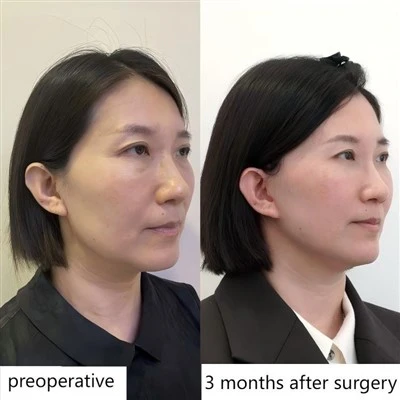
First, let’s be real: any invasive surgery—even a “mini” facelift—tugs, lifts, and adjusts layers of tissue, muscles, and skin under your face. It’s not a tiny tweak; it’s intentional controlled trauma to get that tight, refreshed look. So soreness is normal. The last thing you want is to suffer through it, but you also don’t wanna do something that messes with healing, right? That’s where painkillers come in, but not all are created equal.
Let’s start with the big no-nos first, because that’s what most people miss. The #1 rule right after facelift: steer clear of NSAIDs in the first 48 to 72 hours. Wait, what’s an NSAID? Oh, that’s the over-the-counter stuff like ibuprofen (Advil, Motrin) and naproxen (Aleve), and also prescription versions like diclofenac. Why? Because NSAIDs thin your blood, which can increase the risk of bruising and bleeding—two things nobody wants after a procedure where you’re already gonna have some swelling. And trust me, bruising that sticks around for 2 weeks is the last thing you need when you’re trying to look like yourself for work or events.
But wait, what if the pain’s so bad you can’t sleep? That’s where acetaminophen (Tylenol) comes in, and that’s totally fine—when taken as directed. Acetaminophen doesn’t thin your blood, so it won’t mess with healing. But here’s the catch: don’t take more than the recommended dose, and don’t combine it with other meds (like some cold syrups that already have acetaminophen in them) because that can hurt your liver. My team and I always remind surgeons to emphasize that to patients, because it’s easy to mix up.
Now, what about prescription painkillers? Most surgeons will prescribe a short course of something like hydrocodone or oxycodone right after surgery, usually for the first 2 to 3 days. These are stronger, obviously, so you have to be careful with them—no driving, no operating heavy machinery, and don’t take them longer than prescribed because of the risk of dependency. But why do surgeons prescribe these instead of more OTC stuff? Because the first 72 hours are usually the peak of pain and swelling, so a stronger med can help you rest, and rest is huge for healing. Once that peak passes (usually around day 3 to 5), you can switch back to acetaminophen if you still need it.
Wait, but what about natural pain relievers? I’ve seen so many people go that route—like turmeric, CBD, or even something like aspirin (wait, aspirin’s also an NSAID, fyi, so same no-go early on). Let’s be clear: there’s very little clinical research backing natural remedies for post-facelift pain, and some (like blood-thinning supplements) can actually make bruising worse. My advice? Stick to what your surgeon and the data say—unless they specifically greenlight a supplement, skip it.
Here’s another thing that’s not talked about enough: timing matters. You can’t pop a painkiller 10 minutes before you walk into surgery, right? Most surgeons will tell you to stop taking NSAIDs 7 to 10 days before your procedure, and even some supplements like fish oil, garlic, or ginkgo biloba because they thin blood too. That’s a key prep step I see people mess up—they take an Advil the morning of surgery because they have a headache, and end up with way more bruising than they planned.
Now, let’s talk about common myths. I heard someone say recently that taking Tylenol will slow down healing. No, that’s not true. The only meds that mess with healing are the blood-thinning ones, taken incorrectly. Another myth: all painkillers are bad. No, you just have to pick the right ones, at the right time, as directed. And don’t skip talking to your surgeon about your pain levels—if the OTC stuff isn’t working, tell them. They might adjust your prescription, but they can’t do that if you don’t speak up.
Wait, as a facelift supply provider, I also wanna mention something specific to our products: we make compression wraps and bandages that help reduce swelling, which in turn reduces pain. A lot of people think pain is just something you have to deal with, but managing swelling goes hand in hand with managing pain. So pairing the right pain meds with our post-op compression gear can make a huge difference in how comfortable you are. It’s not just about the drugs—small, consistent steps help a lot.
Also, let’s not forget about other ways to manage pain that aren’t meds. Cold compresses (frozen gel packs, wrapped in a thin cloth so you don’t damage your incisions) applied for 15 to 20 minutes at a time, a few times a day, can take the edge off. Staying hydrated, eating protein (chicken, fish, nuts) helps your skin heal, which also reduces pain. And sleep—seriously, sleep as much as you can. Your body heals when you rest, so even if you take a painkiller to sleep better, that’s a win.
Let’s recap to make this super clear, because I know this stuff can get overwhelming:
- First 48-72 hours: Avoid NSAIDs (Advil, Motrin, Aleve) — use prescription pain meds as directed by your surgeon, and acetaminophen (Tylenol) for mild pain if your surgeon approves.
- After 72 hours: You can switch to acetaminophen for any remaining pain, as long as you follow the dose. No more NSAIDs until your surgeon says it’s okay (usually after 2 weeks, once bleeding risk is low).
- Never take more than the recommended dose of any painkiller, and don’t mix meds without asking your surgeon.
- Prep for surgery by stopping NSAIDs and blood-thinning supplements 7-10 days before your procedure.
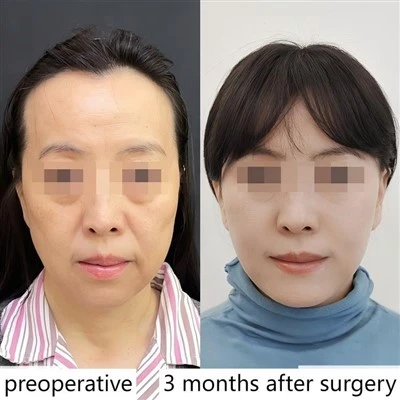
If you’re gearing up for a facelift, or stocking supplies for a practice that does them, and you have questions about post-op care products or pain management supplies, feel free to reach out to discuss your needs. We work with clinics to provide the specialty gear that makes post-op recovery smoother, so don’t hesitate to connect.
Neck Lift References
- American Society of Plastic Surgeons. (2022). Postoperative care for facelift patients. Plastic Surgery Educational Foundation.
- Rohrich, R. J., et al. (2019). Evidence-based guidelines for pain management after facial cosmetic surgery. Aesthetic Surgery Journal.
- American Academy of Dermatology. (2021). Safe pain management for post-procedure recovery. AAD Publications.
Yuan Qiang
With over 20 years’ experience, Dr. Yuan Qiang is a professional doctor specializes in comprehensive treatment for facelift. If you have any enquiry about facelift, please feel free to email us. Good service and reasonable price are available.
Address: 602, South Zone, 5th Floor, Building 122, Nanhu Dongyuan, Chaoyang District, Beijing
E-mail: 496864416@qq.com
WebSite: https://www.yuanqiang-doctor.com/
