If you’ve ever stacked stuff on a roll pallet and had half of it slide off on the forklift ride, or spent an hour untangling wobbly goods on the receiving end, you know it’s not just about piling things up. As someone who’s been supplying roll pallets to warehouses, retail shops, and even small e-commerce setups for years, I’ve seen it all: the “eh, close enough” stack that leads to broken inventory, the overpacked pallet that won’t fit through a loading bay door, and the time a whole pallet of glass jars got ruined because someone skipped the strapping step. Roll Pallet
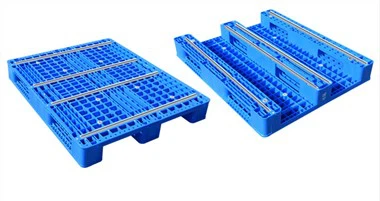
Today, I’m breaking down how to actually store goods on a roll pallet—no jargon, no fancy tricks, just stuff that works when you’re loading, moving, and holding pallets for days. I’m talking about stuff I’ve tested with our own pallets, plus tips from the warehouse teams that use them every single week. Let’s get into it.
First, let’s nail the basics: a roll pallet (sometimes called a rolling pallet, roll cage, or stillage, depending on where you are) isn’t just a flat base with wheels. Most of ours have four removable or fold-down sides, so they’re way better for tall, loose items than a standard wooden pallet. But that extra space means you can mess up way easier if you don’t plan for it.
Step one: Don’t start piling without prepping the pallet first. I see this all the time—someone drags a new roll pallet out of the stock, tosses a few boxes on it, and calls it a day. But if the pallet’s dirty, or the edges are bent, or the wheels aren’t locked, you’re setting yourself up for disaster.
First, give it a quick check. Run your hand along the base and the sides: is there any splintered metal or wood that could tear a box open? Are the wheels working? Lock the front wheels if you’re storing it in one spot, and make sure the side gates close fully—nothing’s worse than a side gate swinging open mid-storage and sending your goods crashing to the floor. If the pallet’s got leftover debris from the last use (like a crumpled paper or a loose nut), clear that out before you add anything. It only takes 30 seconds, and it saves you from having to rearrange a whole load later.
Next, pick the right pallet size for your goods. This is where a lot of people go wrong—they grab a random roll pallet that’s too small, so they cram boxes in, or too big, so the items slide around. Let’s be real: if you’re stacking 12×12 inch shoe boxes, you don’t need a 48×40 inch pallet. It’ll leave gaps, and those gaps are where your goods move. We’ve got roll pallets in all standard sizes (48×40, 36×36, even 24×24 for smaller items), so match the pallet to your load before you start. Pro tip: measure your biggest item first, then add 2 inches on each side for wiggle room. Too much wiggle = broken stuff.
Now, the fun part: stacking the actual goods. Let’s split this into two main types of stuff you’ll store on a roll pallet: boxes (like retail inventory, e-commerce orders) and loose items (like tools, metal parts, or fabric rolls). The rules are a little different for each.
For boxes: Start with the heaviest boxes on the bottom. I know, I know—common sense, but so many people put the light stuff down, and then a heavy box crushes the bottom one. If you’re stacking 50-pound detergent boxes, those go at the base. The 10-pound snack boxes or the small accessories? Top them off. This isn’t just about balance—it also makes the pallet easier to move. Forklift operators hate lifting a top-heavy pallet; it’s a hazard for everyone.
Then, stack the boxes in a “brick pattern.” That means each row of boxes overlaps the row below it, like how you lay bricks on a wall. If you just line boxes up straight, you’ll end up with gaps between them, and those gaps turn into wiggles when you move the pallet. Brick pattern locks the boxes together. Pro move: leave no more than a 1-inch gap between any two boxes. If a box is too big, cut it down with a box cutter (or use our dividers—we sell those separately, they fit perfectly in our roll pallets) to fill the space. No gaps = no sliding.
What about the height? Don’t stack boxes higher than the top of the pallet’s side gates. Most warehouses have forklift clearance limits (usually around 6 feet, but check your space), but even if you’re storing it in a back room, overstacking means the load will tip when you move it. I once saw a pallet of holiday decorations stacked 7 feet high—when the forklift turned a corner, it tilted, and half the ornaments fell into a trash can. Not fun. Rule of thumb: top of your load is 6 inches below the top of the side gates. That leaves room for strapping, which I’ll get to in a sec.
For loose items: Tools, garden hoses, fabric rolls, or small metal parts—these are trickier because they don’t stack like boxes. First, bag or box loose stuff if you can. Even a clear plastic bag tied shut keeps small parts from spilling all over the warehouse when you move the pallet. If you can’t bag them, use our pallet’s side gates to corral them. Close all the gates, and stack the loose items in the center, so they don’t lean against the sides. If you’re stacking hoses, for example, coil them tight and place them flat, not standing up—standing hoses roll, flat hoses stay put. For fabric rolls, stand them up on their ends, tight against each other, so they don’t tip over.
Now, the stuff no one talks about but is the most important: securing the load. Even the perfect stack will collapse if you don’t secure it. Here’s what works for our pallets.
First, stretch wrap. You can get a plastic stretch wrap gun for $20, or even just pull it tight by hand, but wrap it around the pallet at least 5 times. Start from the bottom of the load, go all the way up, and wrap back down—this locks the load to the pallet, not just the sides. Don’t just wrap the top; if you skip the bottom, the whole load will shift when the forklift picks it up.
Then, strapping. For loads over 500 pounds, or any pallet you’re moving more than once, use plastic or metal strapping to tie the load to the pallet’s base, and also to the side gates. We have strapping hooks that attach right to our roll pallets, so you don’t have to drill anything—super easy. Run the straps around the pallet (top and bottom) and tighten them with a strapping tool until they’re taut. No sagging straps—sagging means the load can move.
If you’re storing the pallet long-term (like more than a week), add a top sheet. A piece of cardboard or a shrink wrap sheet on top of the load keeps dust out, and it also keeps boxes from falling off if you’re stacking another pallet on top. Wait—can you stack roll pallets? Yes, but only if they’re empty. Never stack a loaded roll pallet on top of another. The weight will crush the bottom load, and the wheels will bend. Empty pallets, though, stack up to 5 high—we design them to do that for storage efficiency.
Now, a few common mistakes to skip, because I’ve seen every single one.
Mistake #1: Ignoring the wheels. If you’re storing the pallet in one spot for days, lock the front wheels. If you don’t, a small bump (like a forklift driving by) will roll the pallet across the warehouse. I once found a roll pallet of baby formula rolled into a loading dock—thankfully nothing broke, but it could’ve been a huge mess.
Mistake #2: Using too little stretch wrap. I see people wrap it 2 times, like they’re wrapping a birthday present. No—do 5 tight wraps. I’ve heard stories of pallets where the stretch wrap broke mid-move, and half the load scattered across a busy aisle. Don’t be that person.
Mistake #3: Mixing heavy and light items in the same layer. A 50-pound box next to a 1-pound box will make the stack uneven, and that leads to tipping. If you have both, put the heavy ones all in one spot, and the light ones next to them, so the layer is balanced.
Mistake #4: Forgetting to clean the pallet after use. If you leave food or grease on a pallet, it’ll stain your next load, and it can even attract pests. A quick wipe with a cloth takes 10 seconds—do it.
Now, what if you’re working with a small space, or a weirdly shaped load? We have solutions for that. Our roll pallets have removable sides, so you can take off one side to fit a super long item, like a 10-foot ladder. And we have mesh sides for loads that need airflow, like fresh produce—no more moldy inventory because the sides were blocking air. We also have smaller, collapsible roll pallets for home businesses or retail shops with limited storage—they fold flat when empty, so you don’t waste space.
At the end of the day, storing goods on a roll pallet isn’t rocket science. It’s about prepping the pallet, matching the size to your load, stacking heavy on bottom, filling gaps, securing with wrap and straps, and skipping the silly mistakes.
If you’re in the market for roll pallets (or need dividers, strapping, or other stuff to make your storage easier), feel free to reach out. We’ve got options for every size and budget, and we can help you pick the right one for your specific goods—no pushy sales stuff, just straight-up advice from people who use pallets every day.
You know what I hate? When a supplier sells you a pallet that’s flimsy, or too big, or doesn’t work for your load. That’s why we test every pallet we send out—so you don’t have to deal with wobbly loads or broken inventory. We’re here to make your life easier, not more stressful.

If you’ve got questions about stacking a specific type of good, or want to see what our roll pallets look like, just get in touch. Let’s get your goods stored safely, no mess, no headaches.
Pet Preform References
Pallet Enterprise. (2022). Best Practices for Industrial Pallet Storage and Handling. Material Handling Industry Association.
Enlightening Pallet Industry Co., Limited
Enlightening Pallet Industry Co., Limited is one of the most professional roll pallet manufacturers and suppliers in China, featured by quality products and competitive price. Please rest assured to wholesale cheap roll pallet for sale here from our factory.
Address: No.339 Hui Xi Road, Jiading District, Shanghai
E-mail: elaine@cnplasticpallet.com
WebSite: https://www.binpallet.com/
