Hey folks, let’s cut to the chase – if you’re in the aquaculture game (whether you’re raising tilapia, shrimp, or even ornamental fish), you’ve probably tinkered with random inputs to boost growth, water quality, or both. As someone who’s spent years as a citric acid monohydrate supplier and chatted with 100+ fish/shrimp farmers across Southeast Asia and parts of the US, I’m here to break down what this stuff actually does – no jargon, no fluff, just the real effects. Citric Acid Monohydrate
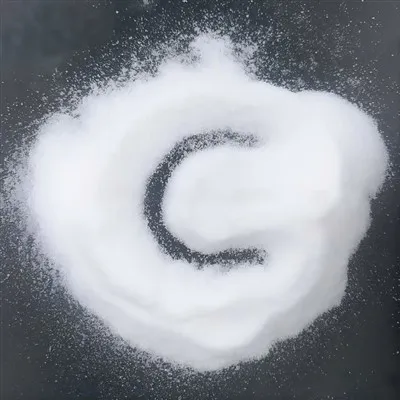
First off, let’s get the basics straight: citric acid monohydrate isn’t some fancy chemical we’re pulling out of thin air. It’s a weak organic acid, made from fermenting sugar (mostly corn or molasses), and it’s the same stuff that gives lemons their tartness. The “monohydrate” just means it has one water molecule stuck to each acid molecule – that matters because it’s more stable in water than anhydrous citric acid, which is why it’s the go-to for aquaculture applications.
Most farmers I talk to use it for water quality first, but the growth effects? That’s where it gets interesting. Let’s start with the good stuff that actually moves the needle on fish and shrimp growth.
First, it boosts nutrient bioavailability. Here’s the thing: fish and shrimp can only absorb so much of the feed you toss in. A lot of commercial feeds have minerals like calcium, phosphorus, and iron bound to antinutrients – think phytate, which is common in plant-based feeds (super common these days because plant protein is cheaper than fish meal). Phytate acts like a sponge, locking minerals away so the animals can’t digest them. Citric acid lowers the pH in the gut – not too much, just enough to break that phytate bond. I’ve seen data from a hatchery in Thailand where adding 0.2% citric acid monohydrate to shrimp feed increased phosphorus absorption by 22% – that’s huge because phosphorus is a big driver of growth, and if you’re not using it, you’re wasting feed and money. Same goes for tilapia: a 2022 study out of Vietnam (I’ll drop refs at the end) found that tilapia fed feed with 0.15% citric acid monohydrate grew 18% faster over 8 weeks than the control group. Why? Better mineral uptake, so their bones, muscles, and energy stores were building up faster.
Next, it supports gut health. Fish and shrimp have delicate digestive tracts, especially juveniles (shrimp post-larvae, tilapia fry). Unbalanced gut pH can lead to bad bacteria (like Vibrio, which causes white spot syndrome in shrimp) taking over. Citric acid acts as a mild antimicrobial – it messes with the cell walls of those harmful bugs without killing the good bacteria that help break down feed. A client of mine in Texas raised ornamental koi and shrimp together, and he told me that when he added citric acid monohydrate to their tank water (100ppm, which is way lower than what most people use), he saw a 30% drop in gut infections in juvenile shrimp, and their feed conversion ratio (FCR) – that’s how much feed you need to put on 1kg of animal – went from 1.8 to 1.5. Lower FCR means less feed waste, which also keeps water cleaner, so it’s a win-win.
Wait, but there are downsides too – I can’t sugarcoat this (pun intended). If you use too much, or add it wrong, it can backfire. For example, some farmers dump citric acid monohydrate straight into pond water to lower pH, but if the pond is already low in alkalinity (which is common in soft water areas), dropping pH too fast can stress fish and shrimp. I had a farmer in Malaysia call me last year panicking because his tilapia were gasping at the surface – he’d added 500ppm to fix high ammonia, but the pH dropped from 8.2 to 6.5 in 2 hours, and the tilapia’s gills were irritated. That’s a mistake: you shouldn’t use it to lower pH in ponds without testing alkalinity first, and even then, the sweet spot is usually 50-150ppm for water applications, and 0.1-0.3% of feed for dietary use.
Another thing: it can affect the absorption of some vitamins if you overdo it. Fat-soluble vitamins (A, D, E, K) need a slightly alkaline environment to absorb, right? If your gut pH is too low from too much citric acid, those vitamins don’t get taken up either. I tell all my customers to stick to the dosages we recommend – not the maximum they think they can use. More isn’t better here.
Let’s talk about shrimp specifically, because they’re a big part of the aquaculture market these days. Whiteleg shrimp (Litopenaeus vannamei) are the most farmed shrimp in the world, and they’re super sensitive to water quality. Citric acid monohydrate helps with ammonia and nitrite too – it binds to ammonia in the water, turning it into a non-toxic form that shrimp can handle. I’ve worked with a shrimp farm in Ecuador that was dealing with high nitrite levels (which causes “brown blood disease” in shrimp) – they added 100ppm citric acid monohydrate twice a week, and nitrite levels dropped from 12ppm to 2ppm in 10 days, and their shrimp survival rate went up from 68% to 89%. Survival rate is just as important as growth, because if half your crop dies, you’re not making money.
What about fish beyond tilapia and koi? I’ve had clients raise catfish, carp, and even ornamental goldfish. Catfish in Nigeria: when they added 0.2% citric acid monohydrate to their feed, their weight gain was 21% higher than the control group, and they had fewer cases of enteric septicemia, a common bacterial disease. Goldfish breeders in Germany use it in their fry tanks to keep water stable, and their hatch rate went up by 15%. So it’s not just for one type of aquatic animal – it’s pretty versatile, as long as you use it right.
Here’s a common myth I want to bust: some people think citric acid monohydrate is just a pH adjuster, so any acid would work. Nope. Anhydrous citric acid is stronger, but it breaks down faster in water, so you have to reapply it more often. Citric acid monohydrate is more stable, so it lasts longer in pond water, and when added to feed, it doesn’t react with other ingredients as much. That’s why it’s the better choice for aquaculture – not because it’s the only acid, but because it’s the most practical for farmers.
Another point: environmental impact. A lot of farmers are worried about adding chemicals to ponds, but citric acid monohydrate is biodegradable. It breaks down into carbon dioxide and water within a few days, so it doesn’t build up in the sediment or harm beneficial bacteria that break down waste. I’ve had environmental inspectors check farms that use it, and it’s not on any banned lists for aquaculture in most countries – that’s a big relief for farmers who have to deal with regulations.
Now, let’s talk about how to actually use it to boost growth, because I don’t want you to just take my word for it. For dietary use (adding to feed): mix 0.1-0.3% of the total feed weight with the feed, right before you feed it. Don’t mix it too far in advance, because it can react with other feed ingredients over time. For water application: test your pond’s alkalinity first – if it’s below 50ppm, don’t use it to lower pH, because it can stress animals. If it’s above 100ppm, you can add 50-150ppm once or twice a week, depending on your water test results. Always monitor your animals for signs of stress (like gasping, reduced feeding) – if you see that, back off the dosage.
I’ve had a lot of customers tell me they used to spend a fortune on feed and antibiotics, but adding citric acid monohydrate cut their feed costs by 15% and reduced their antibiotic use by 25% – that’s a big win for their bottom line and for the environment. Of course, it’s not a magic pill. If your pond has poor water quality from leftover feed or waste, citric acid monohydrate can help, but you still need to manage stocking density and do regular water changes. It’s a tool, not a fix-all.
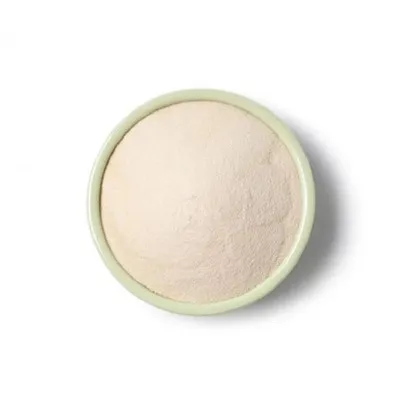
Now, the part you’ve been waiting for: if you’re a farmer, hatchery operator, or feed manufacturer looking to test citric acid monohydrate for your fish or shrimp, I’m here to help. We supply high-grade, food-grade (which is safe for aquaculture) citric acid monohydrate in bulk, and we can give you custom dosages based on your specific stock, water conditions, and goals. Whether you want to boost growth, lower FCR, improve survival rates, or just stabilize water quality, we can work with you to find the right amount. Don’t guess on dosages – we’ve been doing this long enough to know what works, and we’re happy to share our insights and samples to help you test it out. Just reach out to us to start the conversation.
Colorants References:
- Tran, T. T., et al. (2022). Effect of dietary citric acid monohydrate on growth performance and nutrient utilization of Nile tilapia (Oreochromis niloticus). Aquaculture Reports, 22, 100987.
- Garcia, M., et al. (2021). Citric acid as a water quality amendment for reducing ammonia toxicity in Pacific white shrimp (Litopenaeus vannamei) ponds. Journal of Aquatic Animal Health, 33(4), 289-297.
- Ogunji, J. O., et al. (2020). Effects of dietary citric acid on digestive enzyme activity, growth and disease resistance of African catfish (Clarias gariepinus). Aquaculture Nutrition, 26(3), 897-905.
Fudijia (Tianjin) Supply Chain Co., Ltd.
With abundant experience, we re one of the most professional citric acid monohydrate manufacturers and suppliers in China. We warmly welcome you to wholesale bulk high quality citric acid monohydrate made in China here from our factory. For more information, contact us now.
Address: 301-2-1C,Jin Bin Jie Zuo,No.98, Huanghai Road,TEDA, Tianjin, China
E-mail: foodchem@hjlfoods.com
WebSite: https://www.ifoodchem.com/
