If you’ve ever stood in a packaging aisle, staring at two stacks of folded paper containers, wondering if you should grab “cartons” or “boxes” for your next shipment, you’re not alone. As a packaging supplier who’s spent the last 12 years working with small businesses, e-commerce brands, and manufacturing facilities, I’ve lost count of how many times a new client has mixed these two terms up—often picking the wrong one for their needs. It’s an easy mistake, because on the surface, both are rigid, paper-based (or paperboard-based) containers designed to hold and protect goods. But the differences run deeper than their outward appearance, and understanding them can save you money, reduce product damage, and even streamline your shipping operations. Cartons
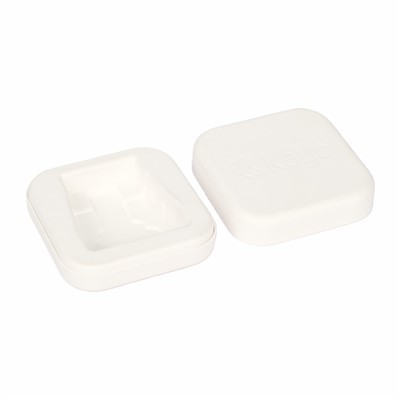
Let’s start with the basics: the core material. That’s where the first split happens. Cartons are almost always made from paperboard, a thin, rigid paper product that’s usually 0.25 millimeters thick or less. It’s not the same as the thick, corrugated material you see for moving boxes—it’s a solid, fibrous sheet, often coated with a thin layer of plastic or wax to make it moisture-resistant. Think cereal boxes, toothpaste containers, or frozen food packaging: those are cartons. They’re lightweight, which is why they’re perfect for single-serve or small consumer products. On the other hand, boxes (at least the ones we supply, as a packaging vendor) are typically made from corrugated fiberboard, which is much thicker, with a wavy, fluted inner layer sandwiched between two flat outer layers. That fluted structure is what makes corrugated boxes strong enough to hold heavy items, like electronics, bulk hardware, or furniture parts. The average corrugated box is around 1.5 millimeters thick—six times thicker than a standard carton. That material difference isn’t just a random spec; it directly ties to how each container is used.
Next, their purpose and structural design. Cartons are usually custom-sized for individual products, with built-in features like die-cut windows (for showing off a toy or baked good), crimped edges, or glue seals that make them easy to open without tools. They’re designed for retail display first and protection second. A cereal carton, for example, not only holds the cereal but also has bright graphics that sit on a grocery store shelf. Most cartons are one-way: once you open them, they’re not easy to reseal without extra adhesive or tape. Boxes, though, are built for transport and repeated handling. They often have locking tabs that let you seal them without tape, handles for easy lifting, and reinforced corners that withstand stacking in a warehouse or on a delivery truck. A corrugated box might be used to ship a dozen ceramic mugs, get stacked on top of five other boxes, and still arrive undamaged—something a carton would never do. That durability gap is why we never recommend a carton for heavy or high-value goods, no matter how pretty the design is.
Then there’s the size and scalability. Cartons tend to be small—most are under 50 liters in volume, because they’re meant for individual products. You won’t see a 50-gallon carton for storing industrial supplies; that’s a job for a box. Boxes, on the other hand, come in every size, from small mailer boxes (used for e-commerce orders) to large bulk boxes that hold 100+ items. We regularly work with a small electronics brand that sends 10-inch phone screens in custom mailer boxes, and a hardware manufacturer that ships 50-pound bags of screws in 24x18x12 corrugated boxes. The size difference also affects cost: cartons are cheaper per unit for small runs, but boxes become more cost-effective for large, heavy shipments. It’s a balance we walk through with every client when we first connect—there’s no one-size-fits-all answer, but knowing the size of your product and the journey it’ll take is key.
Another often-overlooked difference is recyclability and customization flexibility. Cartons, because they’re made from solid paperboard, are easier to recycle than corrugated boxes, since the plastic or wax coating is usually thin enough to be processed without extra steps. They also accept high-quality prints—think the glossy, full-color graphics on a chocolate bar box—because the smooth surface of paperboard lets ink adhere better. Corrugated boxes, while recyclable, have a rougher texture that’s better for matte prints or simple brand logos, not the intricate designs needed for retail display. There’s also the matter of sustainability options: many cartons can be made from 100% recycled paperboard, while corrugated boxes can come with eco-friendly liners that are free of harmful glues, a big plus for brands marketing their sustainability efforts.
I’ve seen how mixing these two can go wrong, too. A few years back, a local craft brewery came to us wanting to ship their new IPA cans. They’d ordered custom cartons, thinking they were lighter and cheaper, but when the first shipment arrived at their distribution center, 20% of the cans were dented. The cartons weren’t sturdy enough to stack six high on a pallet, and the thin edges crumpled during truck transport. We switched them to corrugated 4-pack boxes, and the damage rate dropped to less than 1%. Another client, a skincare brand, tried using a corrugated box for their mini serum bottles to cut costs, but the rough texture made the packaging look cheap on retail shelves. We swapped in paperboard cartons with a matte finish, and their in-store sales went up 12% because the packaging felt more premium. Those stories aren’t outliers—they’re why I always take time to explain the difference when a new client reaches out.
Now, let’s clear up a common myth: some people call corrugated boxes “cartons” casually, and paperboard cartons “boxes,” but in the packaging industry, the term “carton” almost always refers to paperboard containers, and “box” refers to corrugated ones. That’s not just a rule we follow; it’s what the packaging standards set by organizations like the Paperboard Packaging Council (PPC) and the Corrugated Packaging Division (CPD) use. So when a client says they need “cartons,” I ask follow-up questions: is this for retail display or shipping? What’s the weight of the product? Does it need to stack? Those questions turn a vague request into the right solution.
As a carton supplier, I’m often asked why we don’t just offer corrugated boxes too. The truth is, specializing in cartons lets us focus on quality for the products that need that retail touch. We source paperboard from mills that use 30% post-consumer recycled content, and our die-cutting team can create custom shapes—heart-shaped boxes for Valentine’s Day chocolates, sleeve cartons for tea bags—that no corrugated box can replicate. That’s a value we bring that big box suppliers can’t: attention to the small details that make a product stand out to customers. But when a client needs a box for shipping, we partner with trusted vendors who specialize in corrugated, because we know their expertise is better than ours there.
At the end of the day, the choice between cartons and boxes comes down to two things: what your product is, and where it’s going. If it’s a small, retail-ready item that needs to look good on a shelf, and only needs light protection to get to the store, go with a carton. If it’s heavy, going on a long truck journey, or needs to stack in a warehouse, a box is the way to go. And if you’re still not sure, that’s what we’re here for. We work with businesses of all sizes, from startup founders just launching their first product to mid-sized brands expanding their line, and we take the time to walk through your needs, answer your questions, and make sure you get the right packaging at a fair price.

If you’re tired of guessing which container to use, or you’ve had issues with damaged products or costly shipping fees, reach out to us. We’ll review your product’s specs, your distribution plan, and your budget, and help you pick the perfect solution—whether that’s custom cartons for your retail line or durable boxes for your bulk shipments. Our team has been in this industry for years, and we’re not just here to sell packaging; we’re here to help your business run smoother, save money, and make your products look their best.
Home and Personal Care Pulp Packaging References
- Paperboard Packaging Council. (2022). “Paperboard vs. Corrugated: A Guide to Packaging Materials.” PPC Industry Reports.
- Corrugated Packaging Division. (2023). “Corrugated Box Strength Standards for Commercial Shipping.” CPD Technical Guidelines.
- Sustainable Packaging Coalition. (2021). “Recyclability Differences Between Paperboard and Corrugated Packaging.” SPC Sustainability Reports.
- U.S. Small Business Administration. (2022). “Packaging Best Practices for E-commerce and Retail.” SBC Small Business Resource Guides.
Dongguang K.B.D Pulp Mould Package Products Co., Ltd.
We are one of the most experienced cartons manufacturers and suppliers in China, specialized in providing high quality products and service. Please feel free to buy bulk customized cartons from our factory. For quotation and free sample, contact us now.
Address: No.4 Caimei 1st Road, Longjiantian Country, Huangjiang Town, Dongguan, China
E-mail: Kevin.wang@kbd.com.cn
WebSite: https://www.kbd-pack.com/
