If you’ve ever spent time at a landscape job site, a mulch production yard, or a forestry operation, you’ve probably seen a tub grinder whirring away—chipping tree stumps, root balls, and whole logs into uniform mulch or wood fiber. As a supplier of tub grinders, one of the most common questions I get from first-time buyers, especially those operating outdoor workspaces, is: “Can a tub grinder actually hold up to outdoor use, or will it fall apart in the elements?” It’s a fair question. Heavy equipment designed for grinding large, bulky materials looks rugged, but outdoor conditions—rain, dust, extreme temperatures, and rough terrain—can take a toll. After 12 years working with clients across residential landscaping, commercial logging, and waste wood recycling, I’m here to break down the answer, with the practical, real-world insights only a tub grinder supplier can offer. Tub Grinder
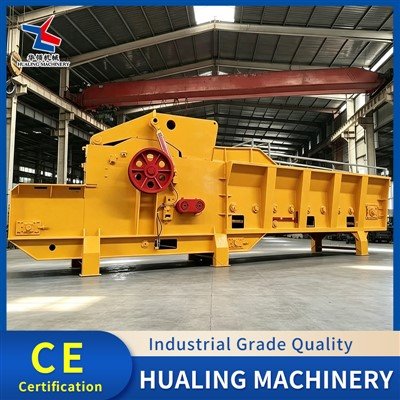
First, let’s start with what a tub grinder is, because not everyone is familiar with the heavy machinery I sell. A tub grinder is a horizontal grinding machine with a large, cylindrical tub (the “tub” that gives it its name) at the top, where you load raw materials. As the tub rotates, hammers or flails on a central rotor swing up and strike materials, breaking them down into smaller pieces that fall through a screen at the bottom. Unlike drum grinders, which are more compact and often used for smaller jobs, tub grinders handle way more volume—some commercial models process 50 tons of material an hour or more—making them workhorses for outdoor operations where speed and capacity matter.
Now, back to the core question: can they be used outdoors? The short answer is yes, but with critical caveats that depend on two big factors: the model you choose and how you maintain it. Let’s get into the science and real-world use cases that prove outdoor tub grinder use is not only possible, but often more efficient than alternatives for many outdoor tasks.
Why Tub Grinders Are Built for Outdoor Work (Mostly)
When we design and build tub grinders at our facility, we engineer them specifically to withstand outdoor environments. Let’s break down the design elements that make them suited for outdoor use:
- Heavy-Duty, Corrosion-Resistant Frames: The main structure of a tub grinder is made of thick steel plate, often treated with a powder coat or wet paint finish to resist rust from rain, dew, or morning fog. Unlike delicate indoor tools, the frame is welded at stress points to handle the weight of raw materials (a single tree stump can weigh thousands of pounds) and the vibration of grinding. Even our entry-level models, designed for small landscape contractors, have frames that can be left outdoors for weeks at a time without permanent damage—if you follow basic maintenance steps.
- Sealed Components: The internal parts that could be damaged by dust or moisture—rotor bearings, hydraulic pumps, and drive motors—are sealed with heavy-duty gaskets and dust covers. This is a big one. For example, a few years back, a client of ours in rural Ohio tried using an un-sealed drum grinder for clearing timber, and within three months, wood dust had built up in the motor, causing it to overheat and burn out. A tub grinder’s sealed rotor bearings, by contrast, can handle being parked on a dirt lot during rainy seasons without failing.
- Mobility Features: Most modern tub grinders are trailer-mounted, meaning they’re built to be towed to different outdoor job sites. The tires and axles are designed for rough, unpaved roads and uneven terrain, so you don’t have to park them on a concrete pad to use them. We even add heavy-duty mud flaps to our standard models to prevent debris from flying up and damaging the undercarriage during operation.
All of these design choices mean tub grinders are inherently more outdoor-friendly than many other types of wood processing equipment. But that doesn’t mean you can just leave one out in a thunderstorm, load it with wet logs, and expect it to run forever. There are key scenarios where outdoor use works great, and others where you’d be better off avoiding it.
When Outdoor Tub Grinder Use Works (Perfectly)
Let’s walk through real, common outdoor tasks where a tub grinder is not just usable, but the best tool for the job:
- Landscape and Hardscaping Job Sites: If you’re a landscape contractor clearing a residential lot to build a new subdivision, or a commercial developer clearing a public park, you don’t have time to haul heavy stumps and roots to a facility. A tub grinder lets you process materials on-site, right where you’re working. Last year, a client in Texas used our 40-inch tub grinder for a 10-acre residential development; he parked the grinder on the edge of the lot for six weeks, working around rain showers and mid-100°F heat, and processed 120 tons of stumps into mulch for the project’s common areas. The only maintenance he did was grease the bearings twice a week and cover the control panel with a waterproof tarp when it rained—simple steps that kept the machine running without issues.
- Forestry Operations: Logging sites are inherently outdoor, with dust, mud, and variable weather. Tub grinders are ideal here because they can handle whole logs, root balls, and large branches that smaller grinders can’t process. A forestry client in Washington’s Olympic Peninsula told me that last winter, he ran his tub grinder outdoors in 20°F rain and snow, grinding 8-foot log sections into wood fiber for paper mills. The grinder’s sealed hydraulic system and cold-weather lubricant (we sell this as an optional add-on) kept it running, even when temperatures dropped below freezing. The key here is preparing the grinder for cold weather: switching to a winter-grade hydraulic fluid and making sure any water that gets into hoses is drained after use.
- Municipal Waste Wood Programs: Many cities now process tree trimmings, storm-damaged wood, and park brush into compost or mulch for public use. These programs run entirely outdoors, and tub grinders are built to handle the high volume of materials that come in after storms or during leaf-trimming season. A city in Florida worked with us to deploy three tub grinders at their outdoor processing yard; they leave them parked outside year-round, covering only the control panel and electrical components during hurricane season. Over five years, those grinders have processed more than 20,000 tons of material with no major breakdowns—all thanks to regular cleaning and small maintenance checks.
When Outdoor Use Can Be a Problem (And How to Fix It)
Now, for the scenarios where outdoor tub grinder use can lead to issues—but these are solvable, not dealbreakers. I’ve seen clients run into problems here, but 9 times out of 10, it’s from not matching the grinder model to the task, or skipping basic maintenance.
- High-Humidity or Saltwater Environments: If you’re working near the coast, salt air is incredibly corrosive. Even powder-coated steel can break down over time if exposed to salt spray daily. We don’t recommend standard tub grinders for permanent outdoor use in coastal areas—we have a saltwater-resistant model with a galvanized frame and stainless steel fasteners for clients in Florida or North Carolina who need to use their grinder near beaches. The galvanized coating prevents rust, and stainless steel parts don’t corrode, so the grinder can stay outdoors year-round without damage.
- Prolonged Exposure to Fine Dust: If you’re grinding sawdust or very fine wood fiber, dust can seep into even the best-sealed components over months of outdoor use. I once had a client in a small mulch yard who ran his grinder outdoors 12 hours a day, 6 days a week, grinding softwood into fine mulch. After a year, dust had built up in the rotor’s internal vents, causing it to overheat. The fix here was simple: adding a dust collection system (another optional add-on we sell) to capture fine dust before it enters the grinder’s components, and cleaning the rotor’s vents once a month. It’s a small investment that prevented a $10,000 repair bill.
- Extreme Heat or Cold: While tub grinders can handle moderate temperatures, extreme conditions can affect performance. In desert climates where summer temperatures hit 110°F, the hydraulic fluid can thin out, leading to slower grinding. In sub-zero climates, fluid can thicken, making the rotor harder to turn. The solution? For desert operators, we recommend adding a hydraulic fluid cooler to keep temperatures stable. For cold climates, switching to a low-viscosity hydraulic fluid is essential. Both are affordable add-ons that let you use the grinder outdoors in any weather.
Maintenance Tips for Outdoor Tub Grinder Use
The biggest mistake I see clients make when using tub grinders outdoors is treating them like “set-it-and-forget-it” tools. A little regular maintenance goes a long way in extending a grinder’s life, even when it’s parked outside. Here’s the routine I recommend to every client:
- After Every Use: Brush off excess dirt, wood debris, or wet material from the frame and rotor. If it rained while you were working, wipe down the control panel and electrical connections to prevent moisture damage. Cover the control panel with a waterproof tarp if you’re parking the grinder for more than a day.
- Weekly Checks: Grease the rotor bearings, check the tires for air pressure, and inspect the powder coat for any chips or scratches. Even a small scratch can lead to rust if left untreated—touch it up with a spray paint pen (we sell these as part of our maintenance kits) to seal the steel.
- Seasonal Deep Maintenance: At the end of a busy season, drain all hydraulic fluid, replace filters, and inspect the hammers/flails on the rotor for wear. If you’re storing the grinder for winter or a rainy season, park it on a raised pad (gravel or concrete, not dirt) to prevent water from pooling under the frame, and cover the entire machine with a heavy-duty, weatherproof cover.
I’ve had clients who’ve used the same tub grinder for 15 years, parked outdoors their entire life, because they stuck to this routine. Conversely, I’ve had clients who bought a cheaper, no-frills grinder, skipped maintenance, and had to replace it after two years. It’s not the machine itself—it’s how you care for it, especially when it’s exposed to outdoor elements.
The Verdict: Yes, Tub Grinders Are Perfectly Suitable for Outdoor Use
To circle back to the original question: Can a tub grinder be used outdoors? Absolutely. For most landscape, forestry, and municipal operations, outdoor use is not just possible—it’s how these machines are designed to work. The key is choosing the right model for your environment, investing in optional features (like sealed components or corrosion-resistant frames) if you work in harsh conditions, and staying consistent with basic maintenance.

If you’re considering a tub grinder for an outdoor operation, or you’re currently dealing with issues from a poorly matched or maintained machine, don’t hesitate to reach out for a consultation. We work with contractors of all sizes, from small landscape teams just starting out to large forestry operations, to help you find the right tub grinder for your needs, and we can share tailored maintenance plans to keep it running outdoors for years.
Wood Chipper Machine Reference:
- Forestry Equipment Manufacturers Association. (2022). Outdoor Heavy Equipment Durability: Design and Maintenance Best Practices.
- U.S. Environmental Protection Agency. (2021). Wood Waste Processing Equipment for Municipal Compost Programs.
- National Mulch and Soil Council. (2023). Safe Operation of Tub Grinders in Landscape and Forestry Applications.
- International Organization for Standardization. (2020). Standard for Heavy-duty Wood Grinders: Environmental Resistance Requirements.
Shandong Hualing Machine Manufacturing Co., Ltd.
As one of the most professional tub grinder manufacturers and suppliers in China, we also support customized service with low price. Please rest assured to buy discount tub grinder in stock here from our factory. If you have any enquiry about quotation, please feel free to email us.
Address: Industrial Park, Dagong Village, Changshan Town, Zouping City, Shandong Province
E-mail: hualing@sdhualing.com
WebSite: https://www.hualingmachine.com/
