If you’ve ever shopped around for refrigeration or HVAC equipment, chances are you’ve heard the terms “air cooled evaporator” and “water cooled evaporator” tossed around—and if you’re anything like the HVAC technicians, facility managers, or small business owners I talk to every week, you’ve probably wondered which one is actually right for your space. As someone who’s spent the last 12 years working with air cooled evaporators, installing them, troubleshooting them, and helping clients pick the right setup, I can tell you the difference isn’t just about what’s cooling the refrigerant—it’s about energy use, maintenance, space, even the kind of climate your building sits in. Let’s break this down like I would over a cup of coffee with a client, no fancy engineering jargon that makes your head spin. Air Cooled Evaporators
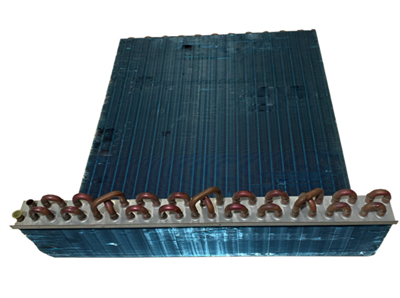
First, let’s get on the same page about what an evaporator does, quick. When refrigerant flows through your refrigeration or AC system, it needs to absorb heat to keep things cold. That’s the evaporator’s whole job: it’s the component where the refrigerant changes from a high-pressure liquid to a low-pressure gas, pulling heat out of the surrounding air or water to do it. The only real difference between air cooled and water cooled evaporators is what they use to carry that absorbed heat away from the refrigerant, right? Wait, no—actually, that’s the core, but the ripple effects of that choice are huge.
Let’s start with air cooled evaporators, since that’s the stuff I specialize in. An air cooled evaporator uses ambient or forced air to pull the heat away from the refrigerant. Think of the big, metal finned coils you see on the outside of a home AC unit, or the similar (but heavier-duty) ones I install for commercial walk-in freezers, grocery store display cases, or warehouse cooling systems. On a commercial unit, there’s usually a fan bolted right to the evaporator’s casing that blows air over the cold coils, and that air picks up the heat from the refrigerant inside, then blows that warm air out into the space (or sometimes to the outside, depending on how it’s plumbed). For example, last year I worked with a small grocery chain in Ohio that replaced their old water cooled display case evaporators with air cooled ones for their new suburban location. The store had a limited budget for plumbing modifications, and their mechanical room was already packed with other equipment, so water lines would have meant cutting into concrete floors and hiring a plumber on top of the refrigeration tech. The air cooled units fit perfectly on the wall above the display cases, no extra plumbing needed, and they’ve run reliably for 18 months with zero leaks from water lines. That’s a huge win for small businesses that don’t have the budget or space for complex plumbing.
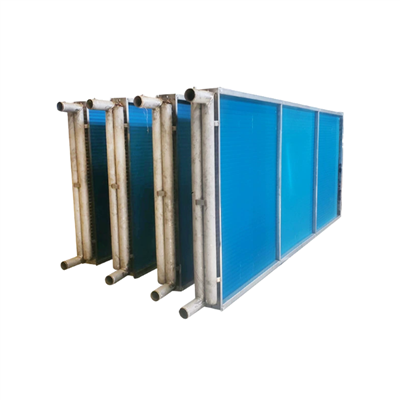
Now, what about the flip side: water cooled evaporators. These use water (or a mix of water and glycol, in cold climates) to carry the heat away from the refrigerant. Instead of blowing air over coils, the refrigerant flows through tubes that are submerged in or surrounded by a flow of cool water. That water absorbs the heat, gets warmer, and then is pumped out to a cooling tower, a chiller, or even a nearby body of water to release that extra heat before being sent back to the evaporator. A common example here is the evaporator in a large industrial refrigeration system, like the ones at food processing plants that need to keep thousands of pounds of meat or frozen goods at consistent temperatures. A client I worked with in Detroit a few years back had a large meat packing plant that relied on water cooled evaporators for their main cold storage warehouse. Their facility already had a dedicated water cooling loop and a 50-ton cooling tower on the roof, so retrofitting air cooled units would have meant installing massive, noisey fans that would have violated the city’s noise ordinances for their industrial zone. The water cooled setup was quiet, fit into their existing piping infrastructure, and handled the huge heat load of the warehouse without needing as much space for external equipment.
Okay, so now that we’ve got the basics, let’s get into the real differences—ones that actually matter when you’re choosing equipment for your space. First up is energy efficiency, but wait, it’s not as straightforward as you might think. A lot of people assume water cooled is always more efficient, and that’s true in some cases, but not all. Because water has a higher heat capacity than air—meaning it can absorb and carry more heat per unit—water cooled evaporators don’t need to work as hard to move that heat away from the refrigerant. That translates to lower energy use for the evaporator itself when operating at full load, especially in hot, humid climates. For example, in Phoenix, where ambient summer temperatures can hit 110 degrees Fahrenheit, an air cooled evaporator has to blow air that’s already hot over the coils, so it has to run its fans longer and use more energy to get the same amount of heat out. A water cooled evaporator, on the other hand, uses water that’s been cooled by a tower, which stays cooler than the hottest outdoor air, so it can move heat away faster with less energy. But wait, that’s not the whole story. Water cooled systems have extra equipment you have to run: the water pump, the cooling tower fan, chemicals to treat the water to prevent scale, corrosion, or bacteria like Legionella. Those add on to your total energy use. So if you have a small system, or you’re in a mild climate where ambient temperatures are cool most of the year, air cooled evaporators often end up being more energy efficient overall because you don’t have to run the extra water system. I’ve seen this firsthand: a small coffee roaster in Portland, Oregon, had two air cooled evaporators for their cold storage. They ran all summer in 70-degree average outdoor temps, and their energy bill for the refrigeration system was $120 a month. A similar roaster 20 miles south in Salem, which is a little hotter, went with water cooled and their total energy bill was $180 a month, because of the pump and cooling tower load. That’s a big difference for a small business with tight margins.
Next up is maintenance and reliability, and this is where air cooled evaporators have a huge upper hand, in my experience. Let’s be real: water systems are prone to problems. Even with chemical treatment, mineral scale can build up on the evaporator’s tubes over time, which reduces heat transfer efficiency by up to 30% if left unchecked. You also have to deal with water leaks— I’ve been called out to emergency service calls for water cooled units that sprung a leak into cold storage, ruining pallets of produce because the water line corroded over a couple of years. And don’t forget biological growth: standing water in cooling towers can breed Legionella, which means you have to schedule regular testing and treatment, adding another line item to your maintenance budget. Air cooled evaporators? Their only moving parts are the fan and the coils, which are easy to access. Maintenance is mostly just cleaning the coils a couple times a year to get rid of dust, dirt, or debris (especially if you’re in a dusty warehouse or near a road). I did a coil cleaning job last month on a 5-year-old air cooled walk-in freezer evaporator that had been installed without any filters on the fan. The coils were caked in sawdust from a nearby woodworking shop, so the unit was running 20% longer than it needed to, and after cleaning it, the owner saved $45 a month on their electric bill. That’s a simple, cheap fix compared to descaling a water cooled evaporator, which requires draining the system, flushing the tubes with chemicals, and testing everything before refilling—something that usually takes a full day and costs hundreds of dollars in parts and labor. Reliability is another thing: air cooled units have fewer components, so there’s less to break. I’ve had air cooled evaporators last 15+ years with only fan bearing replacements and annual cleanings. Water cooled units, by contrast, often need tube replacements every 7-10 years because of corrosion, not to mention pump failures or cooling tower fan issues that shut down the whole system.
Space and installation costs are another big difference, especially for smaller buildings or retrofits. Air cooled evaporators are compact, lightweight, and don’t require any extra piping beyond the refrigerant lines. That means you can mount them on a wall, ceiling, or even on the roof without needing to run heavy water lines, dig trenches for cooling towers, or modify your building’s plumbing. For a small retail space, a restaurant, or a small warehouse, that’s a game-changer. Installation of an air cooled evaporator is usually half the cost of a comparable water cooled unit, because there’s less material and labor involved. Last year, I installed three 2-ton air cooled evaporators for a new sandwich shop in downtown Chicago. The shop’s kitchen was small, and their mechanical room was under the front counter, so running water lines would have required cutting through 4-inch concrete floors, which would have added $8,000 to the installation cost. The air cooled units fit perfectly on the back wall of the kitchen, took half a day to install, and the total cost came in at $12,000, compared to $20,000 for the water cooled option. For small businesses, that kind of savings is make-or-break. Water cooled units, on the other hand, need a lot more space: you need room for a cooling tower, a water pump, and pipe runs, which is why they’re almost always used for large, industrial facilities or buildings with dedicated mechanical rooms that have extra space.
Wait, let’s talk about climate suitability too, because that’s a factor a lot of people miss. If you’re in a place with extremely high ambient temperatures, like the desert Southwest, air cooled evaporators have to work harder in the summer, as I mentioned earlier. But if you’re in a place with cold winters, air cooled units can have a problem with ice buildup on the coils, right? When the outdoor air is below freezing, the moisture in the air can freeze on the cold evaporator coils, blocking airflow and reducing efficiency. Good air cooled units have defrost cycles that melt that ice, but that uses extra energy. Water cooled evaporators don’t have that problem, because they’re using water that’s a consistent temperature (usually above freezing, even in cold weather) so ice never forms. That’s why large facilities in cold climates often opt for water cooled systems, even if the energy savings in winter are minimal, because the defrost cycles for air cooled units would add extra wear and tear on the fans and coils.
Let’s also talk about noise, because that’s a big deal for places where people work or shop near the equipment. Air cooled evaporators have fans that blow air, and while modern models are much quieter than they used to be, they still make more noise than water cooled units, which are quieter because they don’t have large air moving fans. I had a client a few years back who ran a bakery adjacent to a small office space. They installed an air cooled evaporator for their walk-in cooler, and the fan noise was so loud that the office workers complained constantly, to the point where they almost moved out. We ended up installing sound-dampening housing around the evaporator, which helped, but it added cost. If that bakery had had the space for a water cooled evaporator, the noise would have been almost unnoticeable, which would have saved them the hassle and extra cost.
So, putting this all together, what’s the takeaway? There’s no one “better” option—it depends on your space, your budget, your climate, and your maintenance capacity. If you’re a small business or a facility with limited space, a tight budget, mild to moderate climate, and you want something that’s easy to maintain, air cooled evaporators are almost always the right call. If you’re a large industrial facility with a dedicated mechanical room, existing water infrastructure, located in a hot or very cold climate, and you don’t mind the extra maintenance, water cooled might work for you.
For me, as someone who’s specialized in air cooled evaporators for over a decade, the sweet spot for most small to mid-sized operations is air cooled. They’re flexible, affordable, low-maintenance, and reliable, which is exactly what most business owners need—you don’t want to be dealing with leaky pipes and expensive descaling jobs when you’re trying to run your shop, restaurant, or warehouse. I’ve seen too many people jump on the “water cooled is more efficient” bandwagon without thinking through their specific needs, and end up with a system that costs them more in long-term maintenance and hassle.
If you’re trying to figure out which system is right for your business, or you’re ready to upgrade or install a new evaporator, don’t guess based on what someone else says. Reach out to our team to walk through your space, your needs, and your budget. We’ve helped hundreds of clients pick the right air cooled evaporator setup over the years, and we can help you too. Whether you’re a small café in Boston, a warehouse in Atlanta, or a grocery store in Texas, we’ve got solutions that work for your unique situation.
Finned Tube References
ASHRAE Handbook: HVAC Systems and Equipment, American Society of Heating, Refrigerating and Air-Conditioning Engineers, 2020.
Refrigeration Industry Association, “Evaporator Technology and Maintenance Guidelines,” 2021.
U.S. Department of Energy, “Energy Efficiency in Commercial Refrigeration Systems,” 2022.
Xiangshui Derkang Refrigeration Equipment Co., Ltd.
Address: No. 2, Xiaojian Town Entrepreneurship Park, Xiangshui County
E-mail: 505745223@qq.com
WebSite: https://www.xsderk.com/
