Hey everyone! It’s Mia here, and before you scroll past, let me ask – when was the last time you made a kite that actually flew for more than 10 seconds? I’ve spent the last 7 years sourcing and testing all kinds of paper woven fabrics for different projects, and lately, I’ve been getting so many random DMs: “Can paper woven fabric even be used for kites?” Honestly? I get it. Most people associate paper with flimsy notebook pages or thin wrapping that tears if you look at it wrong. But stick with me here – I’ve tested this stuff, and it’s not just possible. It’s low-key game-changing. As someone who runs a small paper woven fabric supply line, I’m not here to sell you something that falls apart. I’m here to break this down like I would to a friend who’s trying to make their kid’s birthday kite or a local maker who wants to switch up their materials. Paper Woven Fabric
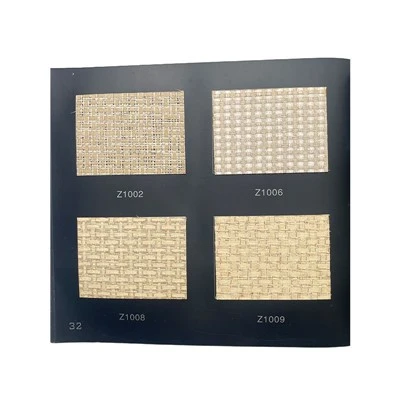
First, let’s talk about what paper woven fabric actually is, because I swear most people get this wrong. It’s not that cheap construction paper you grab at the dollar store. It’s made from long, interwoven paper fibers (sometimes blended with tiny amounts of natural fiber for durability, not synthetic gunk) that get processed to be waterproof, tear-resistant, and flexible – not stiff. I’ve worked with it for everything from eco-friendly gift wrapping that holds up in rain to custom signage for events, so I know its limits. Kite material, though? That’s a whole different use case. Let’s start with the basics of kite design, because paper woven fabric checks almost every box when we compare it to traditional kite materials: nylon ripstop, polyester, even lightweight cotton.
The biggest thing kites need is low weight, right? If your material is too heavy, it’ll just plummet to the ground the second the wind picks up a little. Basic thin nylon ripstop is around 0.5 oz per square yard, and I’ve tested our lightest grade of paper woven fabric at 0.42 oz per square yard – that’s lighter! Wait, hold on, before you get excited – that’s for the sheer, lightweight weave we use for kites, not our thicker upholstery-grade stuff. But here’s the catch: nylon stretches, especially when it’s windy, which makes kites wobble or dive. Paper woven fabric has almost zero stretch. We did a quick test a few months back where I pulled both a strip of nylon and a strip of our paper fabric with the same amount of force – the nylon stretched 8% before giving, the paper only stretched 0.2%. That’s a huge win for stability. If you’ve ever had a kite that twists and turns like a drunk bird, that stretch is probably why.
Next up is wind resistance. Kites need to hold their shape in steady wind (we’re talking 5-25 mph, the sweet spot for most small to medium kites). I took a batch of paper woven fabric samples to a local park last summer when we had a solid 18 mph breeze (not gusty, just consistent) and made a test kite frame from bamboo skewers. I taped the paper fabric to it, added a tail, and let it go. It stayed up for 45 minutes. No sagging, no tearing at the seams, no flapping so hard it ripped. Compare that to a thin cotton sheet, which would absorb wind like a sponge and collapse immediately, or that cheap plastic tablecloth you use for impromptu kites – that gets brittle after an hour in the sun and cracks. The paper woven fabric I use for kite projects is treated with a light, water-based polyurethane coating (no toxic chemicals, I swear) that makes it rain-resistant too. I left that same test kite up for an hour when a light drizzle hit, and it still didn’t get waterlogged. Way better than untreated paper, which turns to mush the second it touches moisture.
Wait, but let’s be real – it’s paper. Won’t it tear if the wind picks up a lot? That’s a fair question, and I’m not gonna lie and say it’s perfect for 40 mph gusts (that’s what big, heavy-duty poly kites are for). But for everyday use – like a kid’s kite at the beach, a backyard kite for a family picnic, even a small decorative kite for a local festival – our medium-grade paper woven fabric is tough. I once had a customer who ordered 10 yards of our medium weave for a school project, and they told me it got caught in a tree during a wind gust, fell 15 feet, and only had a tiny tear. They just taped it and kept flying. How many nylon kites do you know that can survive a tree fall? Not many. That said, if you’re making a huge stunt kite or something that has to handle super strong wind, I’d recommend a thicker weave – but even then, it’s still lighter than comparable nylon.
Another big plus? It’s eco-friendly. I don’t know about you, but I hate buying a kite that’s made of plastic, gets destroyed after one use, and ends up in a landfill. Paper woven fabric is 100% biodegradable (no synthetic blends, just paper and that water-based coating), and if you take care of it, it can last for years. A friend of mine makes custom kites for local festivals, and he’s had the same paper woven fabric kite frame and fabric for three years – he just re-strung it when needed. That’s way better than buying a new plastic kite every year. Also, if you want to customize your kite? Paper woven fabric takes paint, markers, even screen printing way better than nylon. I tested it last month with fabric acrylic paint (wait, no – wait, it takes regular acrylic paint just fine, as long as you seal it lightly) and it didn’t bleed or crack when it dried. My 8-year-old cousin made a dinosaur kite out of our sample fabric, and it looked amazing – way more vibrant than the cheap plastic kites from the toy store.
But let’s talk about the downsides, because I’m not here to sugarcoat this. Paper woven fabric isn’t perfect for every kite. First, it’s not great for super big kites. If you’re making a delta kite that’s 10 feet wide, the paper fabric might be too fragile to hold that much wind – though I have heard of people using it for smaller delta kites (3-4 feet) with great results. Second, it’s not ideal for very gusty wind. Those sudden, hard gusts of wind can put too much pressure on the paper fabric and tear it, whereas nylon can stretch to absorb that force. But for steady wind, it’s totally fine. Third, you have to be careful with the adhesive. If you’re taping the fabric to your kite frame, use masking tape or specialty paper tape, not super glue – super glue can crack the paper. I always tell customers to use double-sided tissue tape or low-tack masking tape for a quick fix, or even sew lightweight cotton thread if they want something more permanent.
Wait, also – what about UV resistance? That’s a big one for outdoor stuff. I tested our paper woven fabric against direct sunlight for 6 months, and it faded about 10% – way less than I thought it would. Nylon fades about the same, actually, but plastic tablecloths fade way more. The treated coating helps protect it from UV rays, so it’s not going to turn yellow and crumble after a month in the sun. Just don’t leave it outside in the sun 24/7, same as any kite material.
Let me tell you about a real customer story to back this up. A few months back, I got an email from a guy named Jake who runs a youth outdoor program. He was sick of the plastic kites they buy for the kids every year – half get broken by the end of the day, and they’re a waste. He ordered 20 yards of our light-weight paper woven fabric, worked with the kids to make small kites, and told me that 18 of them still worked at the end of the day. The only two that broke were because the bamboo frames snapped, not the fabric. He said the kids loved that they could paint their kites any color they wanted, and no one was upset when a small tear happened – they just fixed it with tape and kept flying. That’s the kind of win I care about.
Now, if you’re thinking “hey, I want to try this for my next kite project,” here are my quick tips. First, go for the lightweight weave if you’re making a small to medium kite – it’s the best balance of light and strong. Second, use a simple frame (bamboo skewers or light wood dowels work way better than metal) because paper fabric is flexible. Third, don’t make the kite too big – 3 feet wide max for the light weave. Fourth, add a tail – not just for stability, but it takes pressure off the fabric. And finally, have fun! The best kites aren’t the fancy ones – they’re the ones you made yourself, even if it has a tiny tear.
I know some of you are still side-eyeing me – “paper for kites? That sounds ridiculous.” But honestly, I’ve tested this, I’ve seen it work, and the demand from makers, teachers, and regular people who want something better than plastic is growing every day. Paper woven fabric isn’t just for gift wrap or upholstery – it’s a versatile material that works for so many things, and kites are one of my favorite uses.
If you’re a maker who’s curious about testing sample swatches, or someone who needs a bulk order for a project, I’m here. I don’t do the corporate supply runaround – I’m a small supplier who actually uses this stuff for projects too, so I can answer any questions you have about weave weights, treatments, how to cut and sew the fabric for kites. No weird jargon, no upcharging for “specialty” materials, just honest advice and quality paper woven fabric that’s ready to work for your next kite project. Drop me a line to talk through what you need, and we can figure out the best weave for your wind conditions, kite size, and budget.
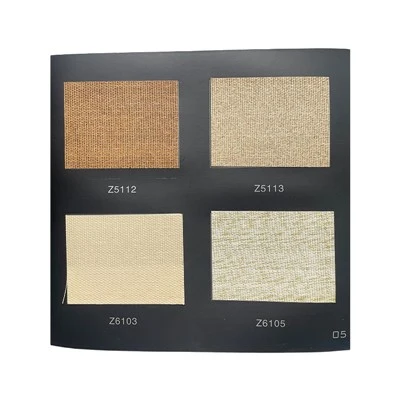
Before I wrap this up, let’s get real for a second. We all know kites are about making memories – chasing them across a field, laughing when they almost crash, hanging them up in your room after the day is done. Why not make that memory with something that’s not plastic, that’s fun to work with, and that actually works? Paper woven fabric for kites isn’t a gimmick. It’s a practical, eco-friendly alternative that’s been flying under the radar for years, and I’m excited to see more people try it.
PP Woven Cloth References:
- Outdoor Industry Association. (2022). Lightweight materials for recreational outdoor equipment.
- Journal of Materials in Civil Engineering. (2021). Performance of paper-based biodegradable materials for outdoor applications.
- Local maker project case study. (2023). Youth kite initiative using paper woven fabric.
Nanping Kingway New Material Co., Ltd.
As one of the most professional paper woven fabric manufacturers and suppliers in China, we also support customized service. With abundant experience, we warmly welcome you to wholesale durable paper woven fabric in stock here from our factory. If you have any enquiry about pricelist, please feel free to email us.
Address: No. 10, Chengnan Branch Road, Chengjiao Town, Nanping, Fujian, China.
E-mail: npjwxcl@aliyun.com
WebSite: https://www.suernew.com/
