Condensers are crucial components in various industrial and commercial applications, from HVAC systems to refrigeration units. As a condenser supplier, I often get asked the question: How often should a condenser be maintained? In this blog post, I’ll explore the factors that influence condenser maintenance frequency and provide some general guidelines to help you keep your condensers running efficiently. Condenser
Understanding the Role of a Condenser
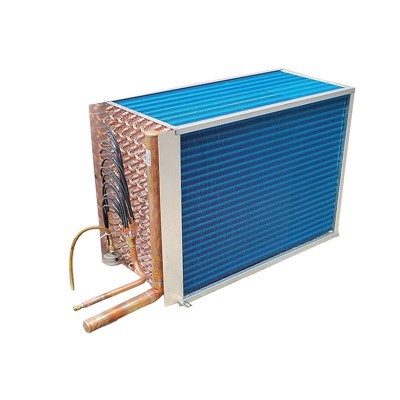
Before delving into maintenance schedules, it’s important to understand what a condenser does. A condenser is a heat exchanger that transfers heat from a refrigerant to a cooler medium, typically air or water. In an HVAC system, for example, the condenser releases the heat absorbed by the refrigerant in the evaporator coil, allowing the refrigerant to return to a liquid state and continue the cooling cycle.
Factors Affecting Maintenance Frequency
Several factors can influence how often a condenser needs to be maintained. These include:
- Operating Environment: The environment in which the condenser operates plays a significant role in determining maintenance frequency. Condensers located in dirty or dusty environments, such as industrial settings or areas with high levels of pollution, may require more frequent maintenance to prevent the buildup of debris on the condenser coils. Similarly, condensers exposed to corrosive substances or extreme weather conditions may also need more attention.
- Usage Patterns: The frequency and intensity of condenser use can also affect maintenance requirements. Condensers that are run continuously or at high loads for extended periods may experience more wear and tear and require more frequent maintenance. On the other hand, condensers that are used less frequently or at lower loads may not need to be maintained as often.
- Manufacturer Recommendations: The manufacturer of the condenser typically provides guidelines on maintenance frequency and procedures. These recommendations are based on the design and specifications of the condenser and should be followed to ensure optimal performance and longevity.
- System Design: The design of the overall HVAC or refrigeration system can also impact condenser maintenance. For example, systems with multiple condensers or complex piping configurations may require more frequent maintenance to ensure proper operation.
General Maintenance Guidelines
While the specific maintenance requirements for a condenser will depend on the factors mentioned above, there are some general guidelines that can help you keep your condenser in good working condition.
Regular Inspections
Regular inspections are essential for identifying potential issues before they become major problems. Inspect the condenser at least once a year, or more frequently if the operating environment is particularly harsh. During the inspection, check for signs of damage, such as bent or damaged fins, leaks, or corrosion. Also, look for any debris or dirt buildup on the condenser coils and clean them as needed.
Cleaning the Condenser Coils
The condenser coils are responsible for transferring heat from the refrigerant to the surrounding air or water. Over time, dirt, dust, and other debris can accumulate on the coils, reducing their efficiency and causing the condenser to work harder. To prevent this, clean the condenser coils at least once a year, or more frequently if the operating environment is dirty. Use a soft brush or a low-pressure water spray to remove the debris from the coils. Be careful not to damage the fins while cleaning.
Checking the Refrigerant Levels
The refrigerant is the substance that absorbs and releases heat in the condenser. If the refrigerant levels are too low, the condenser may not be able to transfer heat effectively, leading to reduced cooling performance. On the other hand, if the refrigerant levels are too high, it can cause the condenser to overheat and potentially damage the compressor. Check the refrigerant levels regularly and add or remove refrigerant as needed.
Lubricating Moving Parts
The condenser contains several moving parts, such as fans and motors, that require lubrication to operate smoothly. Check the lubrication levels of these parts regularly and add lubricant as needed. Follow the manufacturer’s recommendations for the type and amount of lubricant to use.
Testing the Electrical Components
The electrical components of the condenser, such as the compressor, fan motor, and control board, are essential for its operation. Test these components regularly to ensure they are functioning properly. Look for signs of wear or damage, such as frayed wires or loose connections, and repair or replace any faulty components as needed.
Specific Maintenance Intervals
Based on the factors mentioned above, here are some general maintenance intervals for condensers:
- Light Commercial and Residential HVAC Systems: For light commercial and residential HVAC systems, the condenser should be inspected and cleaned at least once a year. If the system is located in a dirty or dusty environment, it may need to be cleaned more frequently.
- Industrial Refrigeration Systems: Industrial refrigeration systems typically require more frequent maintenance due to their higher operating loads and more demanding environments. The condenser should be inspected and cleaned at least twice a year, or more frequently if necessary.
- Large Commercial HVAC Systems: Large commercial HVAC systems, such as those used in office buildings or shopping malls, may require more frequent maintenance due to their size and complexity. The condenser should be inspected and cleaned at least twice a year, and the refrigerant levels should be checked quarterly.
Importance of Regular Maintenance
Regular maintenance of your condenser is essential for several reasons:
- Improved Efficiency: A well-maintained condenser operates more efficiently, which can result in lower energy costs and reduced environmental impact.
- Extended Lifespan: By keeping your condenser in good working condition, you can extend its lifespan and avoid costly repairs or replacements.
- Enhanced Performance: A properly maintained condenser provides better cooling performance, ensuring a comfortable indoor environment for your customers or employees.
- Compliance with Regulations: In some cases, regular maintenance of your condenser may be required by local regulations or industry standards.
Conclusion
In conclusion, the frequency of condenser maintenance depends on several factors, including the operating environment, usage patterns, manufacturer recommendations, and system design. By following the general maintenance guidelines outlined in this blog post and adhering to the specific maintenance intervals for your condenser, you can ensure that it operates efficiently and reliably for years to come.
Evaporator If you’re in the market for a new condenser or need help with condenser maintenance, I encourage you to reach out to us. As a leading condenser supplier, we have the expertise and experience to provide you with the best solutions for your needs. Contact us today to discuss your requirements and explore our range of high-quality condensers.
References
- ASHRAE Handbook – HVAC Systems and Equipment. American Society of Heating, Refrigerating and Air-Conditioning Engineers.
- Manufacturer’s manuals and specifications for condensers.
Xiangshui Derkang Refrigeration Equipment Co., Ltd.
As one of the most professional condenser manufacturers in China, we’re featured by quality products and low price. If you’re going to buy discount condenser, welcome to get quotation from our factory. We also accept customized orders.
Address: No. 2, Xiaojian Town Entrepreneurship Park, Xiangshui County
E-mail: 505745223@qq.com
WebSite: https://www.xsderk.com/
